


Why Do Energy-Efficient Windows Matter for Chattanooga, TN Residents?
Energy-efficient windows can be a practical way for homeowners in Chattanooga, TN to cut down on utility bills, especially given the region’s mix of hot, humid summers and chilly, damp winters. These windows are designed to minimize the amount of heat that escapes during colder months and reduce unwanted heat entry during warmer seasons, meaning less reliance on heating and air conditioning systems. Over time, this can translate into noticeable monthly savings and increased indoor comfort.
In this area, older homes or buildings with standard single-pane windows often experience significant energy losses, causing HVAC systems to work harder. For residents hoping to manage rising energy costs, understanding how modern windows help regulate indoor temperatures is the first step to making smarter choices for efficiency.
How Do Energy-Efficient Windows Work?
Energy-efficient windows typically use a combination of features to improve insulation and the flow of heat and light. These technologies are especially relevant in climates like Chattanooga’s, where temperature swings can be substantial throughout the year.
Key components include:
- Multiple panes of glass (usually double or triple glazed) separated by insulating gasses like argon or krypton
- Low-emissivity (Low-E) coatings applied to glass surfaces, reflecting heat while allowing visible light through
- Warm-edge spacers and insulated frames to reduce heat transfer
- Quality weatherstripping to prevent drafts
By using these elements, energy-efficient windows create a barrier against heat flow. In summer, they block much of the sun’s infrared energy from entering, keeping interiors cooler. In winter, they help retain warmth indoors. For households in the city, this means HVAC systems can operate less frequently and with less strain.
What Utility Savings Can Homeowners Realistically Expect?
The answer depends on several factors, such as the age and design of the home, window orientation, and typical weather patterns. On average, local residents who replace single-pane windows with ENERGY STAR certified models may see annual savings of 10-20% on heating and cooling bills.
For example, Chattanooga’s hot summers can send electricity usage soaring as air conditioning runs to keep homes comfortable. Installing high-performance windows helps prevent solar heat gain, so the indoor temperature stays closer to the set point without overworking the AC.
During the region’s colder months, properly insulated windows reduce the transfer of warm air out of the house, meaning heaters or furnaces don’t have to compensate for cold drafts. Over time, many households find that their utility bills are more stable and less susceptible to seasonal spikes.
Are There Common Misconceptions About Energy-Efficient Windows?
Yes, several misunderstandings often surround the topic:
- They only help in extreme climates: Even with Chattanooga’s relatively moderate winters and humid summers, window efficiency plays a significant role in controlling indoor climate and energy consumption.
- Double-glazed windows are always enough: While double glazing is a considerable upgrade from single-pane, additional features like Low-E coatings and insulated frames can make a further difference, especially for windows receiving direct sunlight.
- Replacing every window is necessary: In many cases, targeting windows that face south or west (where sun exposure is greatest in this part of Tennessee), or those in rooms with the most temperature fluctuation, provides substantial benefits without a full-home overhaul.
What Should Local Households Consider Before Upgrading?
Not all window upgrades will have the same impact. Factors that influence effectiveness include:
- Orientation: Windows facing the sun, particularly west and south exposures, often gain the most from energy-efficient replacements due to afternoon heat and year-round sun angles.
- Existing frame and wall insulation: Even the best window will underperform if the surrounding frame or wall area leaks air. Effective caulking and insulation help maximize window improvements.
- Home age and window condition: Older homes in Chattanooga can have windows that no longer seal well or have deteriorated glazing, making them prime candidates for energy-efficient upgrades.
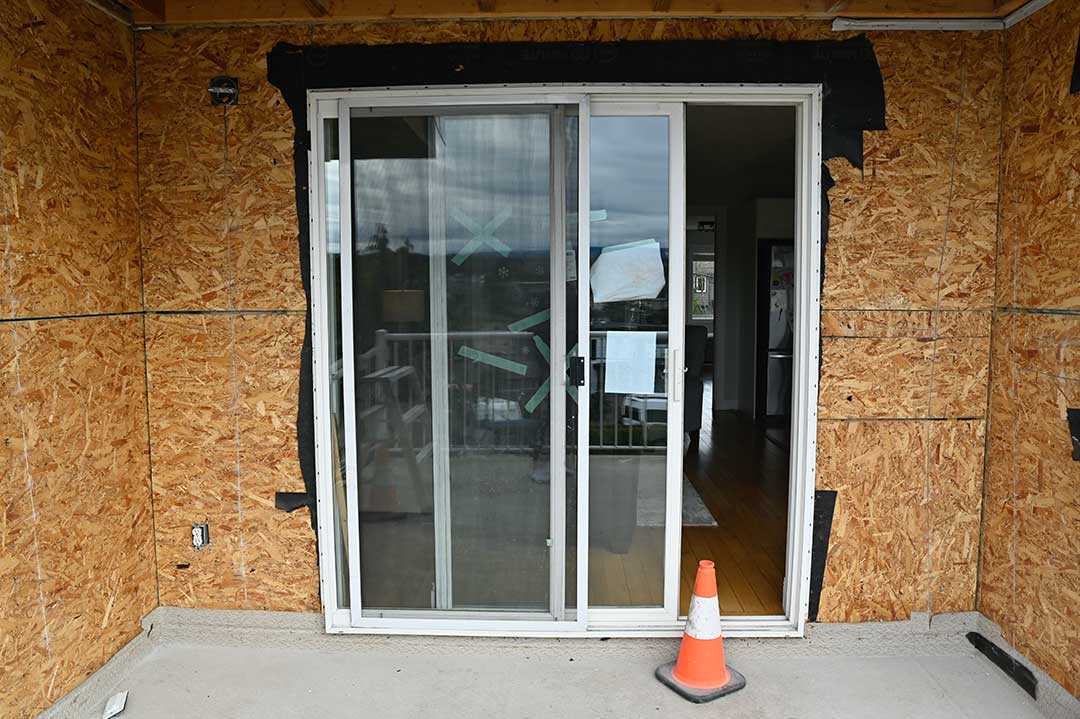
Before making changes, residents may want to review recent energy bills to identify patterns in usage, consider which rooms feel drafty or heat-prone, and prioritize those windows for potential replacement or upgrades.
How Can Window Maintenance Affect Energy Bills?
Regular upkeep can improve a window’s performance, even if it isn’t a new model. Simple steps—whether for historic homes or newer properties—can help optimize efficiency:
- Checking window seals and weatherstripping annually to minimize leaks
- Adding window treatments such as insulated drapes during peak summer and winter periods
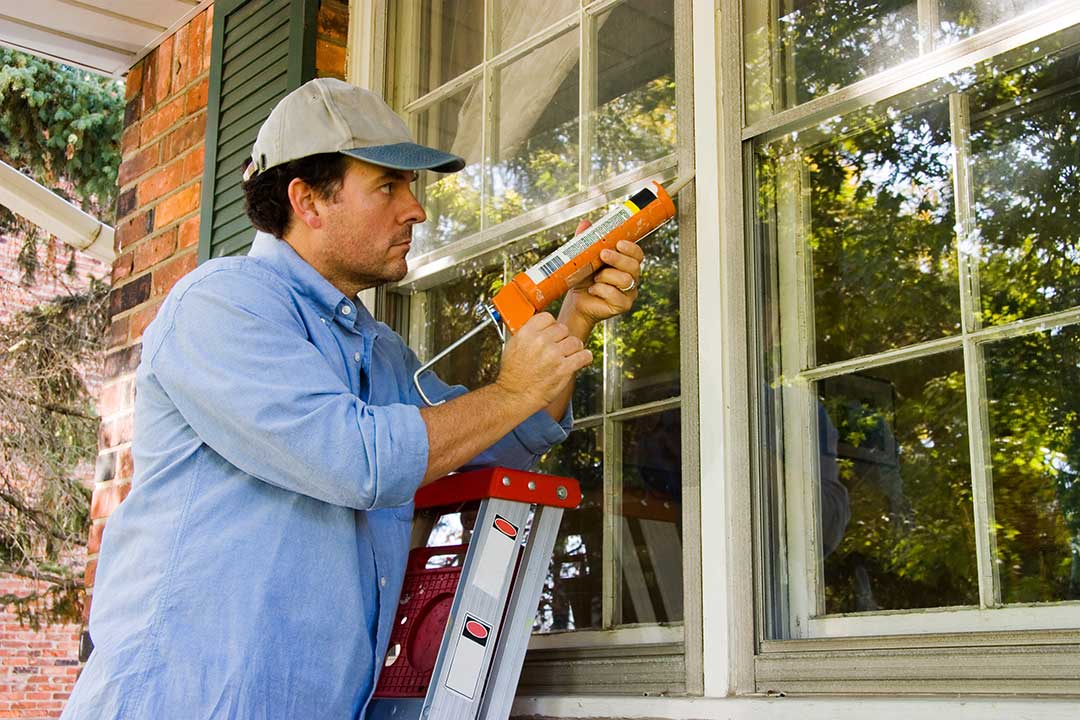
- Using caulk to seal minor gaps between the window frame and walls
These practices are actionable for most homeowners and can delay the need for full replacement.
What is the Role of Local Codes and Incentives in Window Efficiency?
Chattanooga and surrounding communities generally adhere to building codes that require certain minimum standards for residential windows in new construction or major renovations. While these standards often ensure a base level of performance, residents interested in higher efficiency should check for any available rebates or energy audit programs, sometimes offered through city partnerships or utility providers. It’s also useful to review warranty coverage and product ratings. Look for detailed energy performance labels such as those from the National Fenestration Rating Council (NFRC), which provide more insight than generic terms like “energy-saving” or “eco-friendly.”
When Is It Worthwhile to Invest in High-Efficiency Windows?
For many households, the cost of upgrading is offset by lower monthly utility expenses over time, particularly if windows are aging or in poor condition. Residents planning to stay in their homes for several years, or those experiencing sharp seasonal utility spikes, often find the long-term savings and comfort improvements justify the initial investment. Even small improvements—such as upgrading a single window in a problem area—can have measurable impacts on comfort and cost.
Chattanooga’s varied climate, with weather that shifts from muggy summers to brisk winters, means that well-chosen energy-efficient windows can play a key role in both maintaining a comfortable home and keeping energy expenses in check.