


What Is Tempered Glass?
Tempered glass is a type of safety glass known for its durability and shatter-resistant qualities. Manufactured through a process of extreme heating followed by rapid cooling, tempered glass is much stronger than standard glass panes. This special treatment causes the glass to crumble into small, blunt pieces when broken—reducing the risk of serious injury.
How Is Tempered Glass Made?
To create tempered glass, manufacturers heat the raw glass to over 1100°F and then cool it quickly using jets of air. This rapid cooling process puts the outer surfaces of the glass into compression and the inner surfaces into tension. As a result, tempered glass can withstand impacts and temperature changes that would shatter regular glass.
Unlike standard glass, which breaks into sharp, jagged shards, tempered glass fractures into pebble-like pieces. This makes it a common material for areas where safety is a primary concern.
When Is Tempered Glass Needed in Chattanooga, TN Homes?
Tempered glass is required or recommended in specific locations where breakage could lead to injury. In Chattanooga, local building codes and common safety considerations drive most households to use tempered glass in:
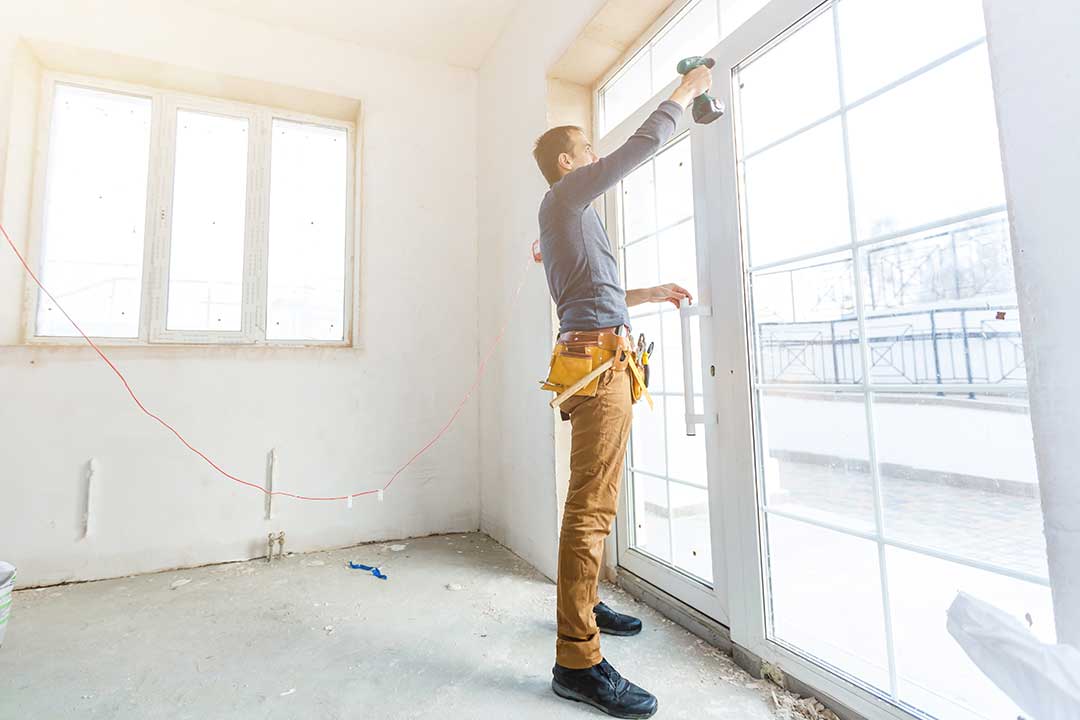
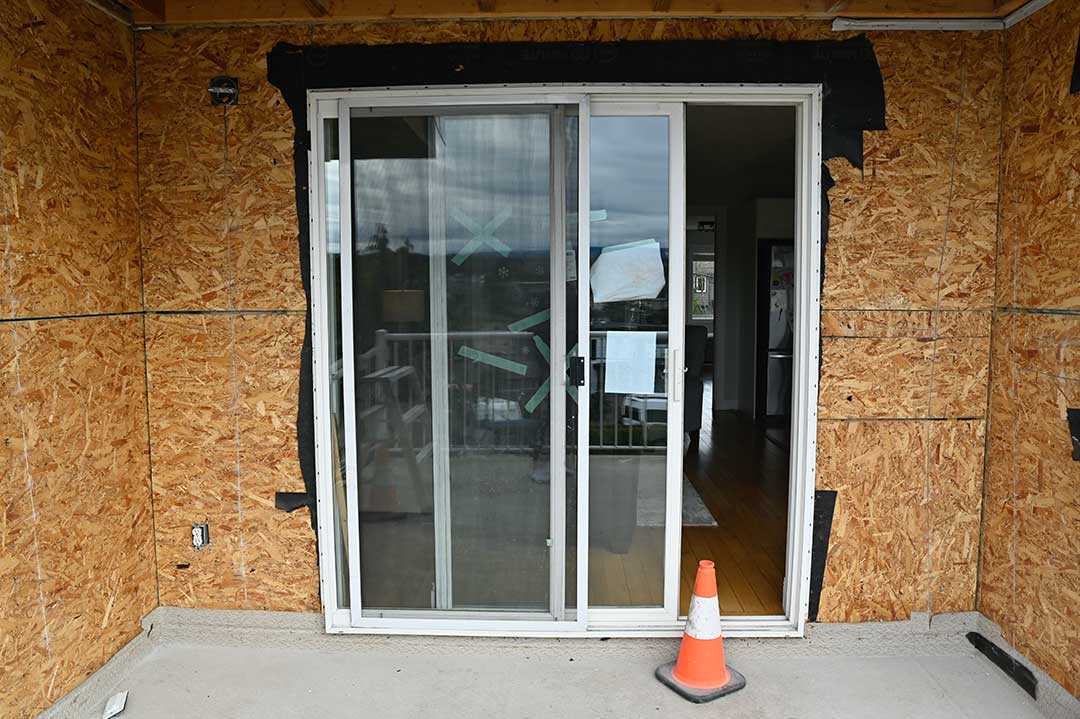
- Windows near Doors: Any glazing next to or on a door, like patio doors or sidelights, should use tempered glass to minimize risk if someone accidentally bumps into or slams the door.
- Bathrooms: Shower doors, glass walls, and sometimes windows near bathtubs use tempered glass to meet safety standards and protect from slips and falls.
- Large Windows or Low Windows: Glass panes that are especially large or extend near the floor often require tempering because impact risks increase.
- Stairways and Guardrails: Windows or glass panels within a few feet of stairs and landings should be tempered to prevent dangerous breaks if someone falls or collides with the glass.
Local regulations often determine when tempered glass is legally necessary. For residents of Chattanooga, referencing up-to-date building codes or speaking with local inspectors helps ensure compliance—especially for remodels or new window installations.
Why Is Tempered Glass Important for Safety?
Tempered glass is significant because of how it breaks. In locations with more foot traffic, children, or the potential for household accidents, tempered glass can be the difference between a minor inconvenience and a medical emergency.
For example, a child tripping and falling into a regular window could result in deep cuts from sharp shards. With tempered glass, the glass crumbles into much smaller pieces, greatly reducing injury risk. This is particularly relevant in the Chattanooga community, where many homes have large sliding doors leading to patios, decks, or backyards commonly used by families.
Is Tempered Glass Required for All Windows?
Not all windows in homes need to be tempered. Requirements depend on:
- Proximity to doors, floors, stairs, or wet areas
- The size of the glass panel
- Whether the glass could be mistaken for a door (such as in some patio or sunroom designs)
A common misconception is that every window in a house must be safety glass. In reality, only specific locations—usually outlined by city or state building codes—have this requirement. Many older Chattanooga homes, especially those predating more recent safety updates, may not have tempered glass in all qualifying areas. If upgrading or replacing windows, understanding current codes is essential for both safety and compliance.
Differences Between Tempered and Other Safety Glass
While tempered glass is the most common form of safety glass, it is not the only option. Laminated glass, made by sandwiching a layer of plastic between two glass panes, is another type used for added security and protection against break-ins. However, laminated glass doesn’t shatter into small pieces like tempered glass does; rather, it remains largely intact even after being broken. In the context of window safety in Chattanooga homes, tempered glass is prized for household settings where impact resistance and safe breakage patterns are critical. Laminated glass is more common for security or soundproofing needs.
What Are Some Practical Tips for Choosing Tempered Glass?
Deciding when to use tempered glass involves more than following the minimum code requirements. Consider the following:
- If a window is in a high-traffic area or where children play, tempered glass offers extra peace of mind.
- For large windows or those close to the ground, erring on the side of safety can be wise, even if not strictly required.
- Seasonal storms in Chattanooga can send debris flying—tempered glass provides more resistance against sudden impact.
- Look for a permanent etched mark (often in a corner) indicating that the glass is tempered. This can be useful when reviewing existing windows or shopping for replacements.
Can Tempered Glass Be Cut or Altered After Installation?
Tempered glass cannot be cut, drilled, or shaved down once it’s been made. Any modifications must be completed before the tempering process. Attempting to alter tempered glass after manufacturing will cause it to shatter instantly. For those considering custom work or retrofits in older homes, measure carefully and finalize all design decisions before ordering tempered glass.
What Are the Limits and Misconceptions About Tempered Glass?
A common misunderstanding is that tempered glass is unbreakable. While it’s stronger and safer than untreated glass, extreme impacts or pointed pressure can still cause it to fail. Patios, sunrooms, and entryways—popular features in many Chattanooga homes—may benefit from added caution if heavy objects or repeated force are expected.
Another misconception is that privacy or energy efficiency is affected by tempered glass itself. In reality, tempering changes the safety profile, not the look or insulating performance of the glass.