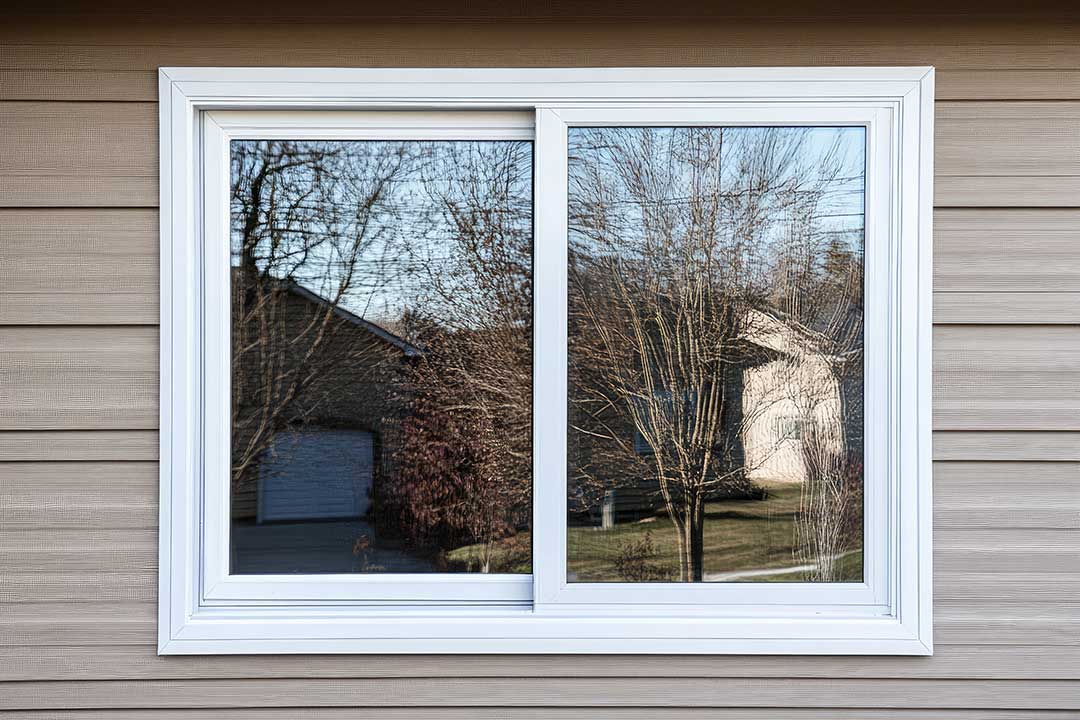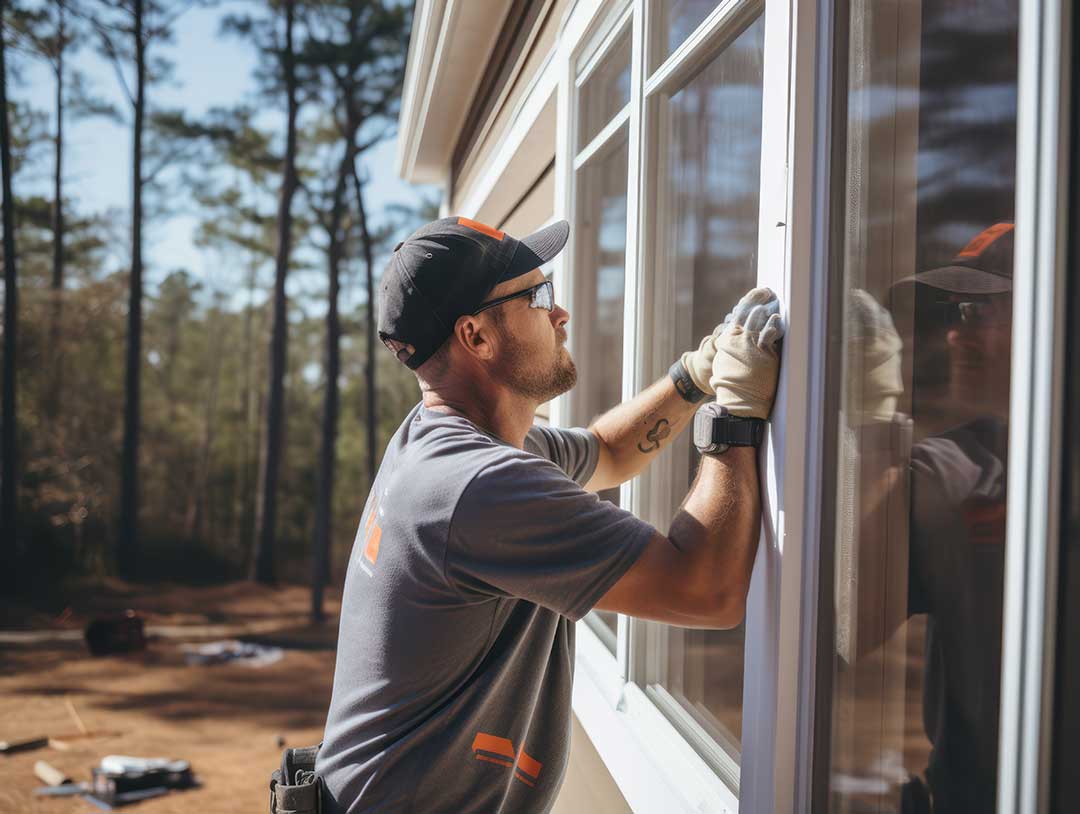



How Long Does a Window Replacement Project Take in Chattanooga, TN?
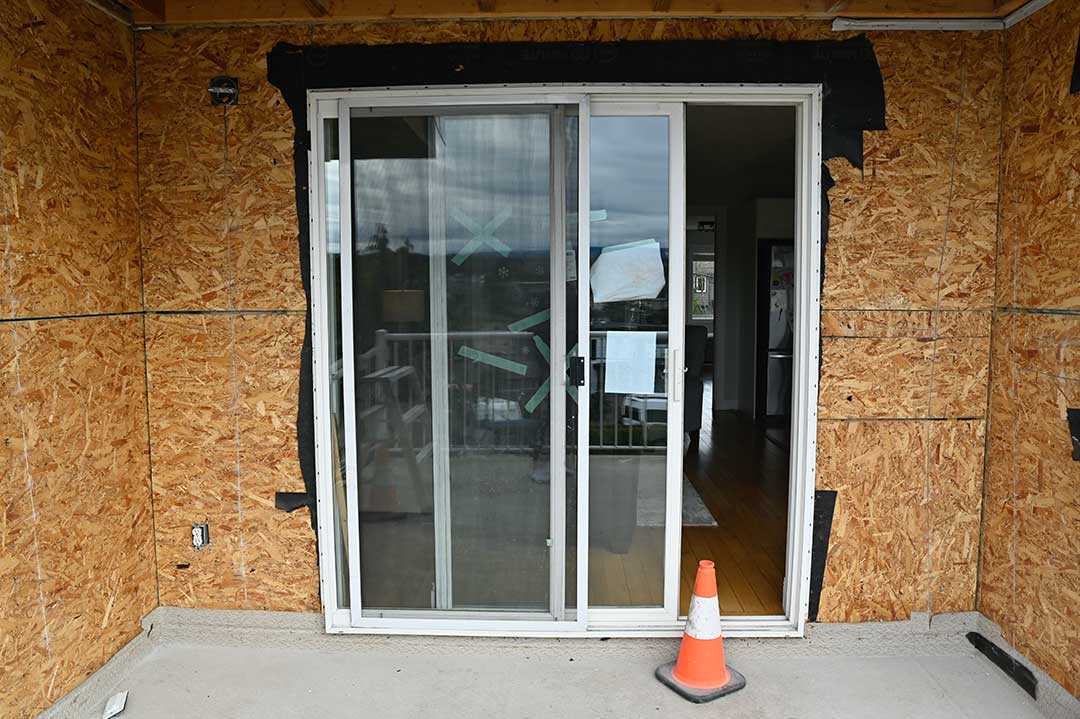
Most window replacement projects for a typical Chattanooga home are completed within one to three days, depending on the number of windows and complexity of the installation. Generally, a single window takes about 30 to 60 minutes to replace once work begins.
In older homes or properties with custom-sized windows—common in historic Chattanooga neighborhoods—the timeline can stretch slightly longer. Additional time may be needed if structural repairs to window frames or sills are discovered during the process.
What Steps Are Involved Before Installation?
Preparation begins long before the installers arrive. Residents can expect:
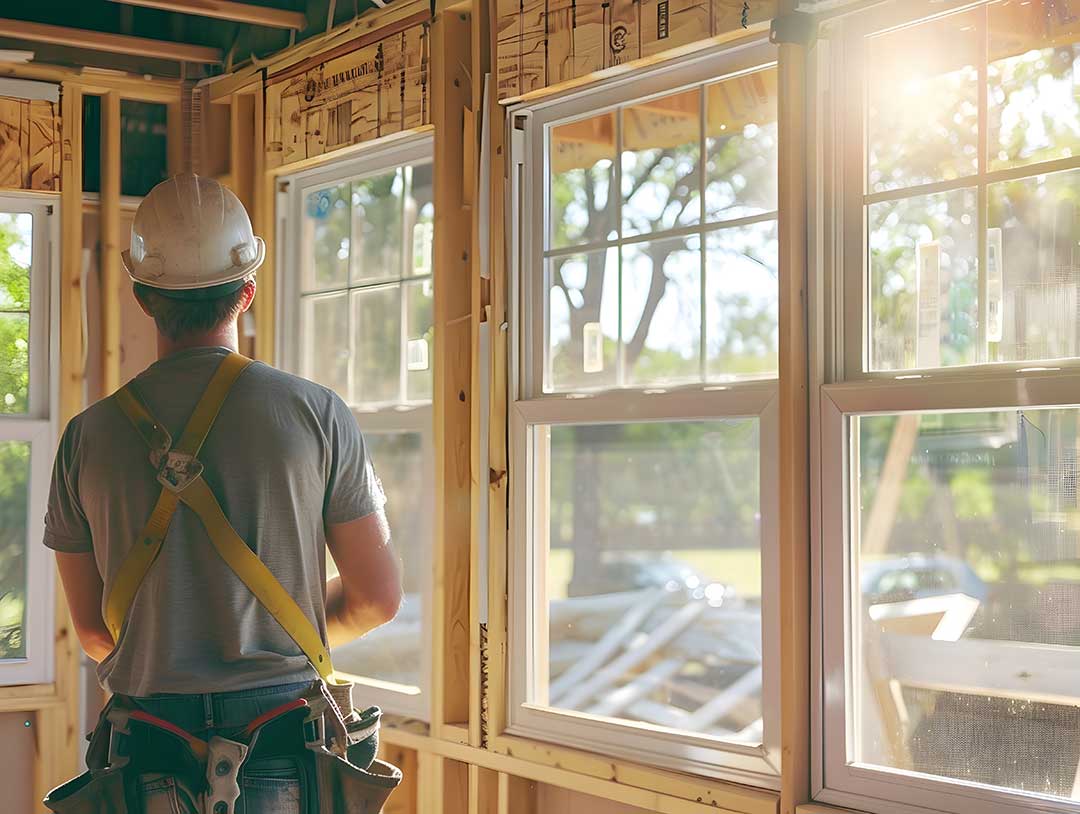
- A thorough assessment of existing windows to measure dimensions and identify concerns such as rot, water damage, or code issues relevant in the city’s varied housing stock.
- A period for materials to arrive, which may be affected by regional supply challenges or specialty glass orders for energy code compliance.
- A conversation about access—installers will need clear walkways inside and outside and may need to move furniture or window coverings for unobstructed entry.
Most local professionals schedule work to avoid peak pollen season in Chattanooga, minimizing dust and allergens in spring.
How Should Residents Prepare Their Homes?
To ensure a smooth project, area households can take a few simple steps:
- Remove curtains, blinds, and any window treatments beforehand.
- Move furniture and breakables away from windows to provide working space.
- Disable any alarm sensors attached to windows.
- Expect crews to protect flooring and nearby surfaces with drop cloths, especially in older homes with hardwood flooring—a common feature locally.
Keeping pets and young children away from work areas is wise due to tools and temporary openings.
Will Weather Affect Window Replacement?
Weather is a significant consideration in Chattanooga’s variable climate. Light rain or cool temperatures usually do not prevent work, but heavy downpours, lightning, or extreme cold can cause delays. Spring and fall are often preferred for window projects because moderate temperatures support proper material performance and reduce interior discomfort.
If work is delayed mid-project, contractors typically secure open window spaces temporarily to protect interiors from weather and wildlife.
What Does the Actual Installation Process Look Like?
On installation day, residents will notice several standard practices:
- Crews arrive with all necessary materials and tools, often starting early to maximize daylight.
- Old windows are carefully removed to minimize disturbance to siding, brick, or stucco—preserving the home’s exterior.
- Frames are inspected for damage, with minor repairs performed on-site. Significant hidden rot, which can be common in homes near the river or with older wood frames, may require unexpected repairs.
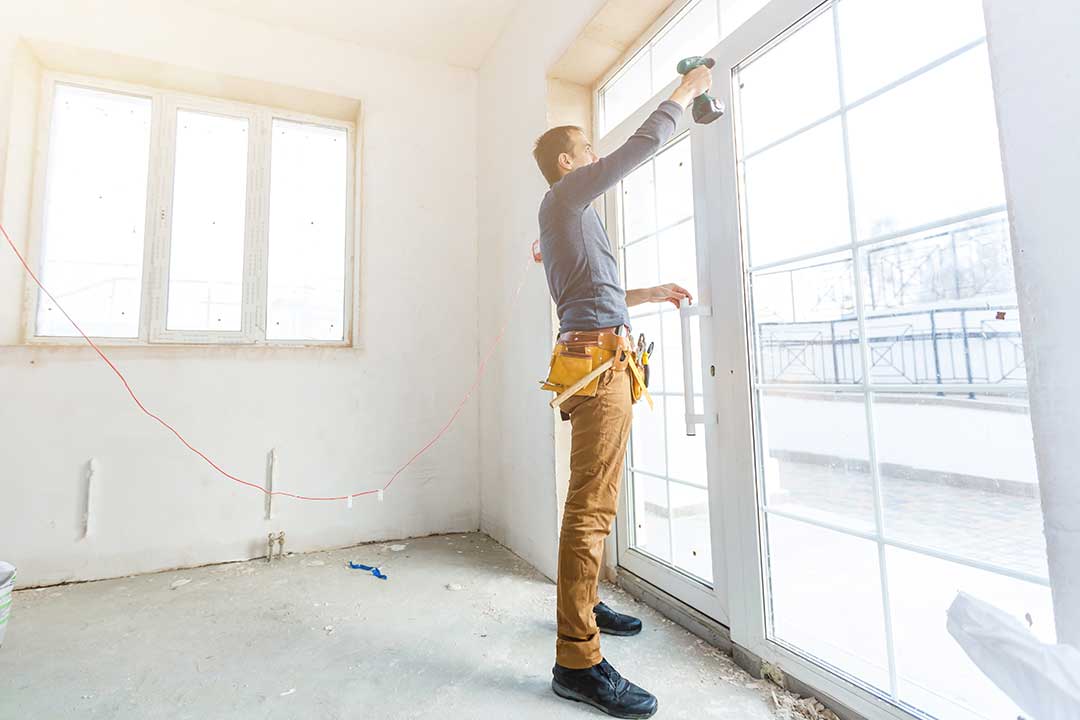
- New windows are leveled, anchored, sealed, and tested for smooth operation.
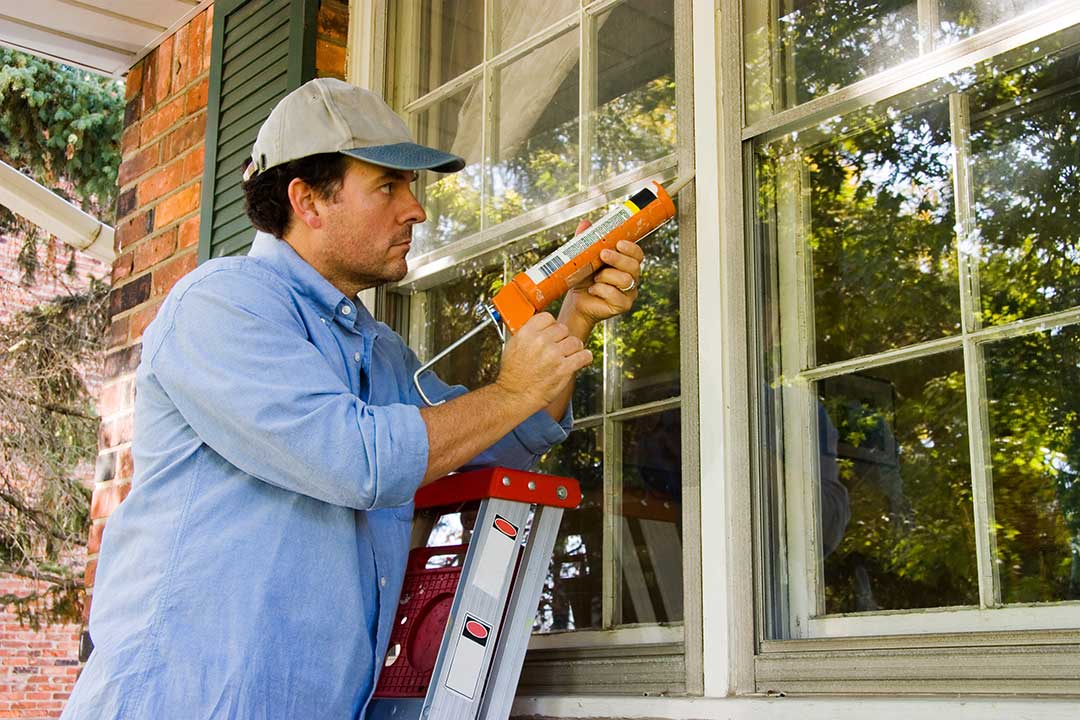
- Exterior trim and caulking are applied to weatherproof each opening, a crucial step given the city’s occasional severe storms.
Each replacement is completed before moving to the next window whenever possible, to reduce exposure to outdoor elements.
How Messy Is the Process? Will There Be Disruption Inside My Home?
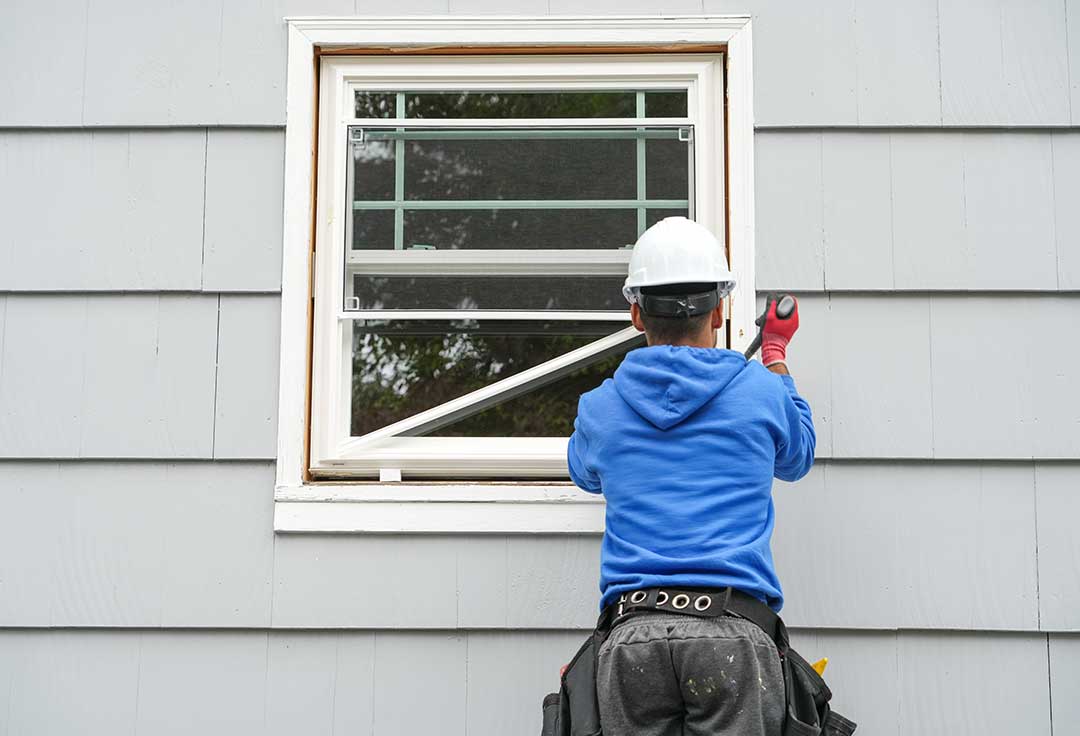
Most reputable crews prioritize cleanliness. Window removal does generate some dust and debris. Drop cloths, vacuums, and frequent cleanups keep the disruption manageable, though residents should expect minor noise and occasional drafts while work is ongoing. In most Chattanooga neighborhoods with moderate setbacks, installers can access first-floor windows from the outside. For multistory homes or those with basement walkouts, ladders or scaffolding may be used, leading to additional movement outside the home. Construction-related noise—such as prying, hammering, or the use of power tools—may be more noticeable on quieter residential streets. Neighbors sometimes appreciate a brief heads-up if a project will last more than a day.
Do Old Windows and Debris Get Hauled Away?
Standard window replacement projects in the city frequently include disposal of old windows, frames, and packing materials. Ask in advance if debris will be left for city pickup or hauled directly for recycling or landfill. Because Chattanooga supports curbside recycling for glass and certain building materials, area households may inquire about environmentally responsible options. Leftover screens, storm windows, or salvageable wood pieces can occasionally be set aside for reuse, repurposing, or donation, as long as it’s agreed upon ahead of time.
What Should I Check After My New Windows Are Installed?
Homeowners are encouraged to inspect:
- Smooth window operation (easy opening and closing)
- Tight seals with no visible gaps or air leaks
- Clean caulking and finished trim, both inside and out
- Locks and security features functioning properly
Double-check that all construction debris is removed, and ensure screens or accessories are reinstalled. In Chattanooga’s humid summers and cool winters, proper installation prevents leaks and condensation, protecting both comfort and utility bills.
What Are Common Misconceptions About Window Replacement?
Some residents expect projects to be noisier, messier, or significantly more disruptive than is typically the case—especially in smaller homes or condos. Modern techniques and materials mean that even in densely built neighborhoods, the process can be efficient and manageable. Another mistaken belief is that replacing all windows at once is required. In reality, many area households choose to phase their replacements over months or years to spread costs and accommodate seasonal schedules.
Does Window Replacement Require Permits in Chattanooga, TN?
Most basic window-for-window replacements that don’t alter structural elements do not require a building permit locally. However, changes in window size, style, or egress (especially in bedrooms or basement conversions) may trigger building code updates.
Residents in designated historic districts—for example, neighborhoods with preservation rules—should check city guidelines about approved designs, materials, or review processes before beginning any visible exterior work.