


What Are the Most Common Window Problems Found in Chattanooga, TN?
Many homes in Chattanooga share a set of typical window challenges due to the area’s fluctuating humidity, seasonal storms, and diverse housing stock ranging from historic residences to new builds. Recurring issues faced by local residents include drafts, condensation between panes, windows sticking or refusing to open, rotted sills, and broken locks or latches.
- Drafts and air leaks undermine home comfort, especially in older properties with original windows.
- Moisture buildup and condensation can indicate a failed seal in double- or triple-pane glass.
- Sticking windows often correspond with shifting frames, paint buildup, or warping from seasonal weather.
- Rot and damage at the sill or lower sash develop in areas exposed to frequent rain or soil moisture.
- Faulty or worn hardware creates security concerns and makes daily use difficult.
Identifying the root cause is the first step toward finding a lasting solution. Below are practical approaches to each problem, focusing on methods accessible to most area homeowners.
How Do You Find and Fix Window Drafts Effectively?
Drafts usually signal gaps between the window assembly and the house structure or worn-out seals along moving parts. In the climate of Chattanooga, drafts are especially noticeable during winter’s cold snaps and summer’s humid heat waves.
The quickest way to check for drafts is to hold a lit candle or an incense stick near window edges on a windy day. Watching for flickering or smoke movement can help pinpoint leak areas. Once identified, common remedies include:
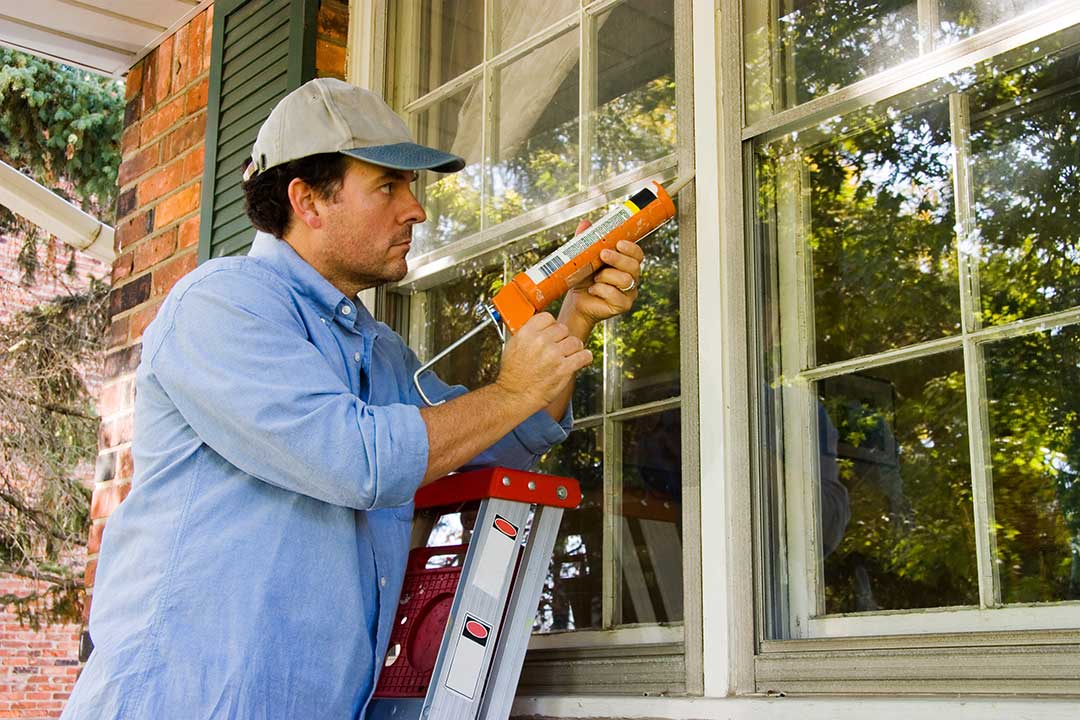
- Replacing missing or cracked caulk around exterior trim.
- Installing new weatherstripping along sash or sliding parts.
- Using rope caulk or removable foam sealant for temporary fixes in problem spots.
For homes with historic windows, consider using minimally invasive products to preserve original frames. Keeping up with seasonal inspections is key, as Tennessee’s weather extremes can cause materials to contract, expand, and deteriorate over time.
Why Does Condensation Form Inside My Windows, and How Can It Be Fixed?
Condensation on interior or exterior glass is common during humid summers and when temperatures shift rapidly, but moisture trapped between panes signals a broken seal in insulated glass units.
Condensation between glass layers cannot be wiped away and means the insulating gas has escaped, reducing efficiency. To address this issue:
- For single-pane windows, try using a dehumidifier or repairing any loose glazing putty.
- For double- or triple-pane windows, the only permanent resolution is replacing the affected glass unit. Temporary fixes (like drill-and-vent kits marketed online) often worsen the problem and reduce clarity.
Avoid overlooking this problem, since consistent indoor moisture may also encourage mold growth or wood decay in sills and frames.
What Causes Windows to Stick or Refuse to Open?
Sticking windows frustrate many homeowners, especially in older properties where wood swelling is common during humid weather. In Chattanooga, afternoon thunderstorms and ongoing humidity accelerate this problem.
Frequent causes include:
- Paint bridging between sash and frame.
- Wood expansion pressing window channels.
- Dirt, dust, or paint clogging sliding tracks.
For wood windows, gently running a utility knife along the paint seam may free a stuck sash. Lightly sanding high-friction spots and applying candle wax or a silicone-based lubricant can aid smooth operation. For vinyl or aluminum models, cleaning and lubricating tracks often solves the issue.
Consistent difficulty raising or lowering may also point to broken sash cords or springs, especially in older double-hung units. These repairs require careful attention to safety, particularly when dealing with tensioned springs or heavy sashes.
How Do You Address Rotting or Damaged Window Sills?
Rot often appears on shaded or north-facing window sills, where wet weather and poor drainage combine to keep surfaces damp for extended periods. Chattanooga’s spring rains and late summer storms can accelerate this deterioration. Signs include peeling paint, soft spots, or visible mold along the bottom edge. The solution generally involves:
- Removing all decayed or soft wood with a chisel or screwdriver.
- Treating exposed areas with a wood hardener.
- Filling gaps with a two-part epoxy wood filler, carefully shaped to restore the sill’s profile.
- Sanding, priming, and repainting with a durable exterior paint.
For severe cases where structural support is compromised, partial or full sill replacement may be necessary. Ensuring gutters are clear and landscaping slopes away from the home helps prevent repeat issues.
What’s the Best Way to Repair a Broken Window Lock or Latch?
Faulty hardware makes a window less secure and can sometimes prevent safe egress in emergencies. Homeowners in the city may encounter this problem in both older wooden frames and modern sliding designs. Most locks and latches can be replaced using a screwdriver and matching hardware from a local hardware store. If originals are obsolete, many universal alternatives are available, but always confirm compatibility with window type and age. When replacing hardware, check that the window seats tightly in its frame and that new fasteners are anchored in solid material. Worn or crumbling wood may require reinforcement with small wood blocks or repair plates.
Are There Ways to Improve Window Performance Without Full Replacement?
Many residents prefer repairs to full window replacement, especially in historic neighborhoods or when budgets are tight. Practical upgrades that extend window lifespan and energy efficiency include:
- Adding interior or exterior storm windows to reduce drafts and condensation.
- Using thermal curtains or cellular shades during Chattanooga’s peak cold and heat.
- Applying window films to minimize heat transfer and UV fading.
These solutions can be especially helpful for addressing minor issues while planning for larger repairs in the future.