


What Are the Most Frequent Window Problems in Chattanooga, TN?
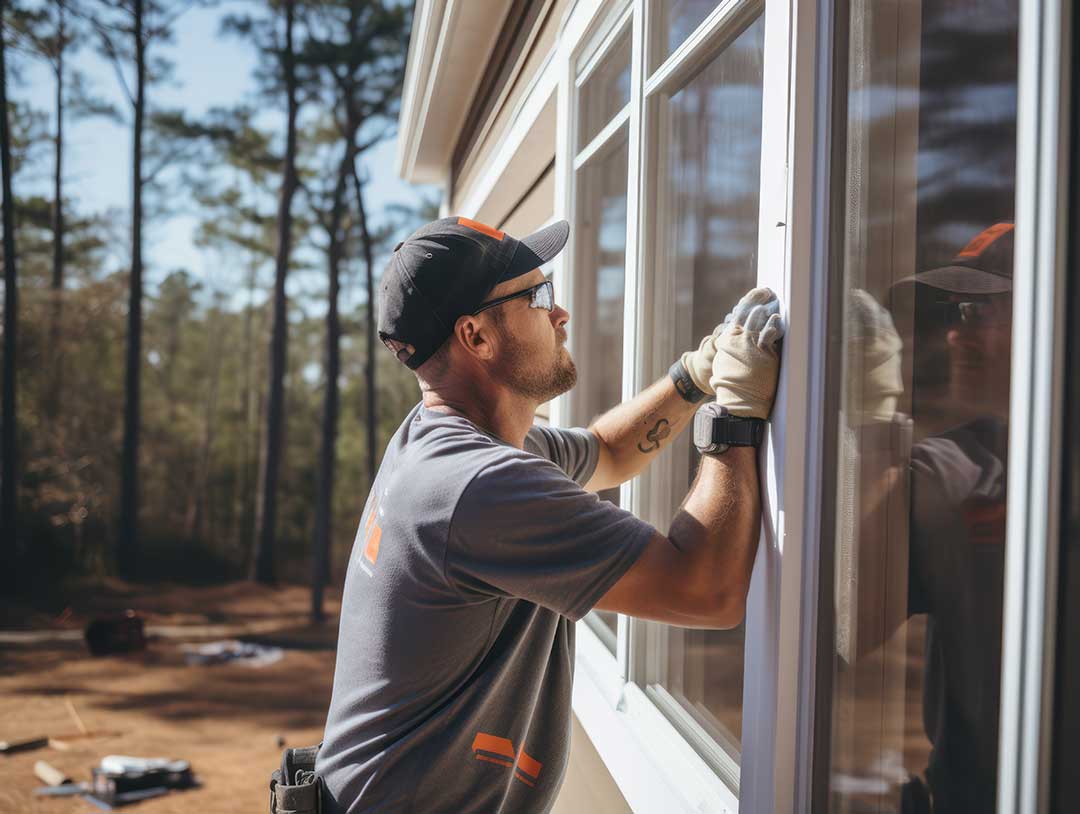
Frequent temperature swings, humid summers, and occasional storms in Chattanooga, TN put local windows to the test. The most common window issues reported by area households include foggy glass, sticking sashes, drafts, and water leaks. These problems can reduce comfort, energy efficiency, and even raise concerns about indoor air quality or property maintenance.
Why Do Windows Get Foggy or Cloudy?
Condensation between window panes usually means the seal has failed. In Chattanooga, double-paned windows often experience this issue after years of exposure to humidity and seasonal changes. When the seal that holds insulating gas breaks, outside air and moisture get trapped, making the glass appear foggy or hazy.
Replacing the insulating glass unit is the only lasting fix for failed seals. Homeowners sometimes try short-term solutions like dehumidifying the room or wiping surfaces, but these don’t address moisture trapped between panes. In humid areas like Chattanooga, prompt attention is wise, since persistent fogginess points to lost insulation and can impact heating and cooling costs.
What Causes Windows to Stick or Refuse to Open?
Sticking windows are a nuisance, especially during the change from winter chills to muggy summers in the city. Several local factors are often to blame:
- Wood swelling due to high humidity
- Paint buildup in older homes
- Dirt or debris in tracks for sliding sashes
For wood windows affected by Chattanooga’s humidity, gently sanding swollen edges and applying a wax or silicone lubricant can improve movement. Regularly cleaning tracks and frames also helps. Paint-laden windows may need the edges trimmed or older layers scored with a utility knife to prevent sticking.
How Can Drafts or Cold Spots Around Windows Be Reduced?
Drafty windows are a common source of discomfort in Chattanooga homes, leading to higher utility bills during cold winter snaps or hot summer afternoons.
Drafts most often result from:
- Worn-out or missing weatherstripping
- Gaps between the window frame and wall
- Warping/shrinking of wood from climate shifts
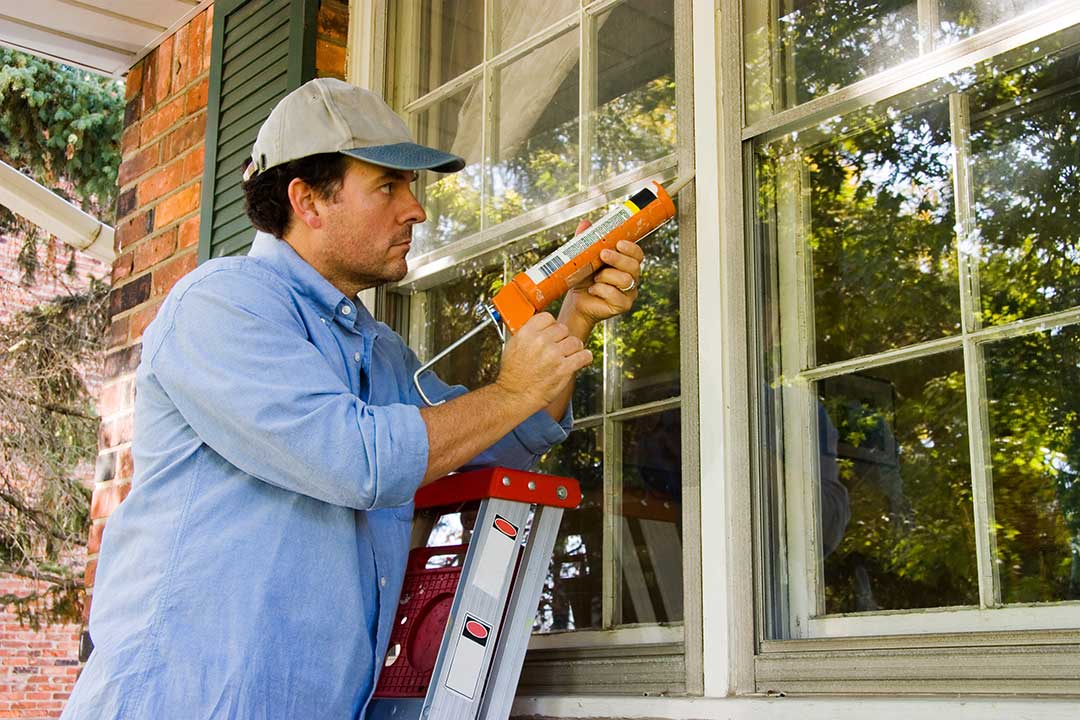
First, check for air leaks by feeling around windows on windy days or using a thin strip of tissue. Replacing old weatherstripping is an inexpensive fix, as is sealing cracks with caulk around the exterior trim. For persistent gaps, especially in older construction, adding insulating foam or interior storm panels can make a meaningful difference.
Why Do Windows Leak Water, and What Can Be Done?
Water leaks are concerning and more likely to affect homes during Chattanooga’s heavy spring rain or summer storms. Leaks often enter through:
- Failed caulking or sealant at the exterior perimeter
- Broken or missing flashing above the window
- Clogged or damaged gutters causing water to back up
Address leaks first by inspecting and resealing all exterior joints with exterior-grade caulk. Confirm that gutters direct water away from the window area and that flashing (thin metal or plastic barriers) above the window is intact. Window leaks inside wall cavities might lead to rot or mold, so attention to persistent issues is particularly important.
Is Window Condensation Inside the Home Normal?
Condensation forming on the inside surface of windows is common during high-humidity summers and chilly winters in Chattanooga. This happens when moist indoor air contacts cooler glass, especially in bathrooms, kitchens, or homes with limited ventilation.
To reduce interior condensation:
- Run exhaust fans when cooking or showering
- Slightly open windows for short periods to release trapped moisture
- Consider using a portable dehumidifier during humid months
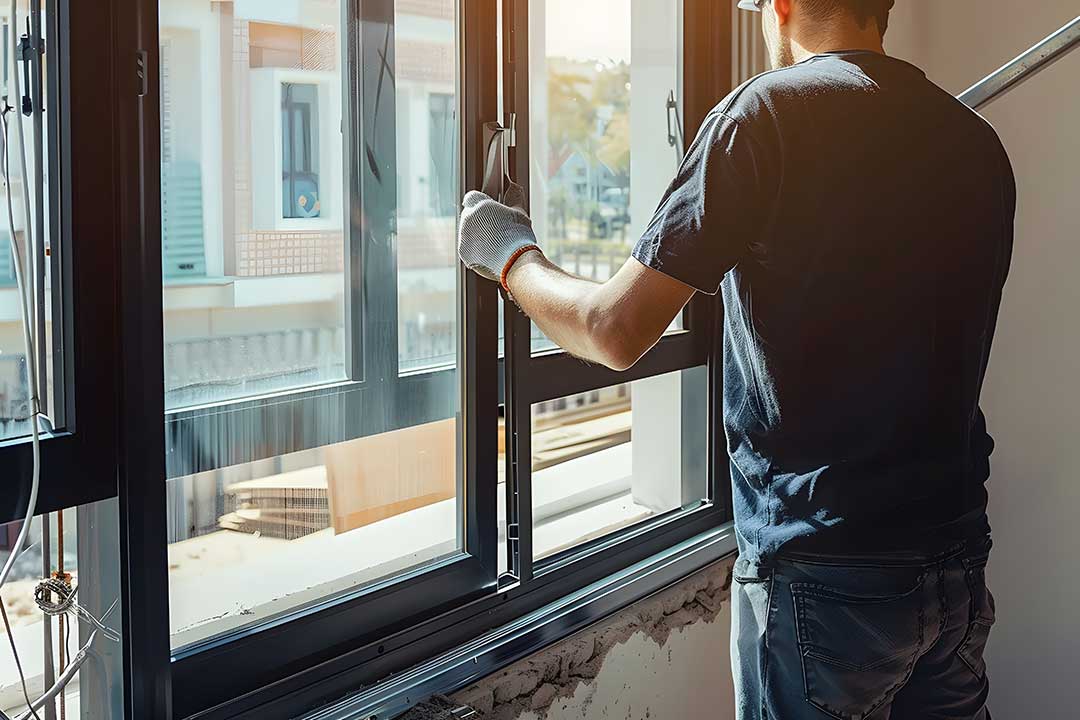
Condensation inside the pane (between two layers of glass) is a different problem, described above, requiring glass replacement.
What Maintenance Mistakes Lead to Window Problems Locally?
Many window problems can be traced to overlooked or misunderstandings about upkeep, particularly in the variable Chattanooga climate:
- Skipping annual caulking and sealant checks lets water intrude unnoticed
- Applying thick layers of paint on wood windows can trap moisture and cause rot, especially in older homes
- Not cleaning window tracks encourages sticking and invites insect buildup
- Ignoring small cracks or damage lets minor issues grow, especially after severe weather
Routine seasonal inspections can head off many of these concerns.
Are There Local Factors That Influence Window Performance?
Yes, several unique features of Chattanooga homes affect window performance:
- Shaded neighborhoods with mature trees may have increased mold or algae growth on exteriors
- Urban homes face more airborne grit that can collect in window tracks
- Regional pollen surges (often in spring) can exacerbate cleaning and sealing needs
Acknowledging these local realities helps frame what’s “normal” in window wear and how to maintain or repair common issues throughout the community.