


What Is Low-E Glass and How Does It Work?
Low-E glass, short for “low emissivity” glass, is treated with a microscopically thin, transparent coating that reflects heat while allowing natural light to pass through. This special coating is often made from metal or metal oxide layers. By reflecting infrared energy, Low-E glass helps regulate the temperature inside a home—keeping warmth in during cooler months and reflecting the sun’s heat in warmer months.
For Chattanooga, TN homes facing hot, humid summers and chilly winters, this technology can help moderate indoor temperatures and reduce the strain on heating and cooling systems.
Does Low-E Glass Really Save Energy?
Yes—Low-E glass can significantly improve a window’s insulating properties. It helps slow down heat transfer, which can lower energy bills for area households.
- In summer, the coated pane reflects a portion of incoming solar heat, reducing how hard air conditioners have to work.
- In winter, it keeps more indoor warmth from escaping, easing the demand on heating.
- These effects are most noticeable in homes with significant window coverage, older window types, or those exposed to direct sun.
Savings vary based on factors like window orientation, home insulation, the age of the windows being replaced, and how much shade the home receives from trees or buildings.
How Does Low-E Glass Help with Comfort in Chattanooga?
Residents of the city often notice uncomfortable hot spots or chilly drafts near traditional windows. Low-E glass combat these issues in several ways:
- Keeps living areas near windows more comfortable—less temperature variation from room to room
- Reduces glare from direct sunlight without sacrificing daylight
- Prevents cold "downdrafts" by maintaining a more consistent window surface temperature
This improved comfort is especially appreciated during the region’s muggy summers and unpredictable winter nights.
Can Low-E Glass Protect Against Sun Damage?
The unique coating on Low-E glass doesn’t just manage heat—it also blocks a substantial portion of harmful ultraviolet (UV) rays. UV exposure is a major contributor to the fading of hardwood floors, carpets, curtains, and furniture over time.
- Even in rooms filled with sunlight, items are better shielded from fading
- This can help preserve home interiors and maintain property value, a detail many local homeowners overlook
Are There Different Types of Low-E Glass?
There are two main kinds: soft-coat (also called sputter-coat) and hard-coat (pyrolytic).
- Soft-coat Low-E is typically used in double- or triple-pane units, offers higher performance, and is placed on the inner surfaces to protect the coating.
- Hard-coat Low-E is more durable, often used in single-pane or storm windows, and works well in specific climates but sometimes allows more heat transmission.
The choice can depend on whether windows are being replaced or upgraded, the type of existing frames, and a home's construction era. Homes in Chattanooga with older single-pane glass may benefit more noticeably from an upgrade to insulated, soft-coat Low-E units.
Are There Any Downsides or Common Misconceptions?
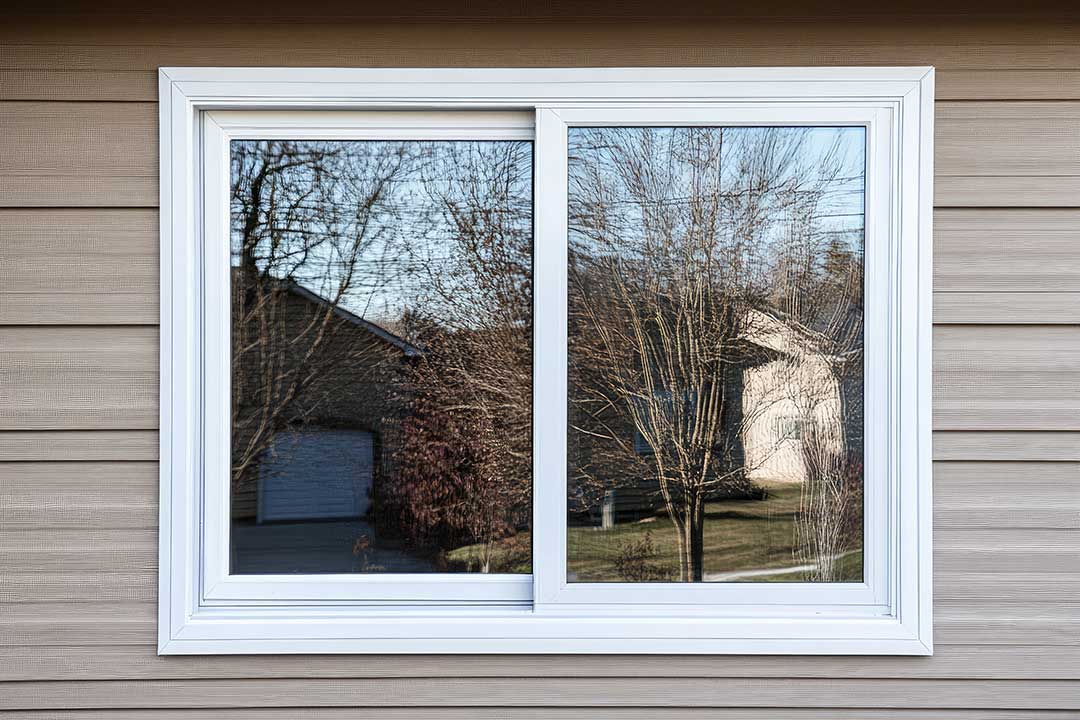
Some residents worry that Low-E glass may look tinted, reduce light, or create mirror-like reflections. Here’s the reality:
- Modern Low-E coatings are nearly invisible and do not noticeably alter daylight.
- The glass can look slightly different from certain angles, but the effect is subtle and not usually distracting.
- It’s a myth that Low-E glass eliminates all solar heat; it reduces, but does not block, solar gain. Careful selection is key for maximum comfort.
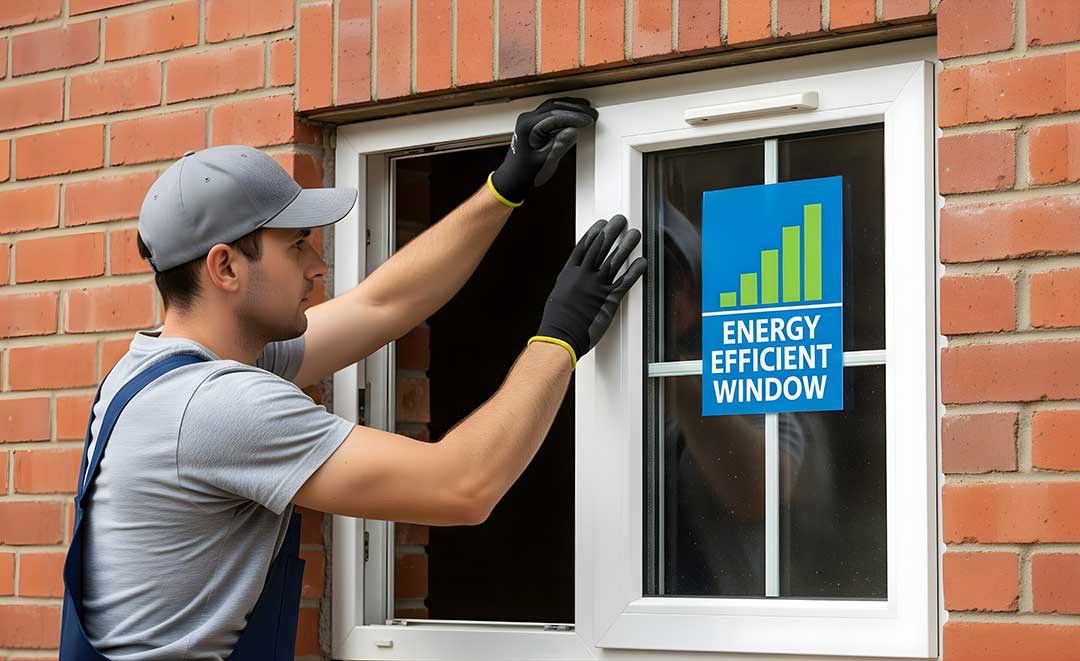
Those considering Low-E upgrades should check for local building codes or neighborhood association rules, especially in historic neighborhoods or where aesthetic guidelines are enforced.
How Does Low-E Glass Fit Into Local Housing Types?
Chattanooga has a mix of historic homes, postwar bungalows, and newer construction. The benefits of Low-E glass can be leveraged in all these scenarios, but installation choices may differ:
- Older Homes: Retrofitting existing windows with Low-E storm panels can boost performance without changing the property’s outward appearance.
- Newer Homes: Replacement windows typically come with Low-E as standard or optional, balancing modern comfort with energy efficiency codes.
- Apartments and Condos: Where replacement isn’t practical, window films with Low-E properties may offer a compromise, though their effect is usually modest compared to factory-sealed glass.
What Should Residents Expect During and After Installation?
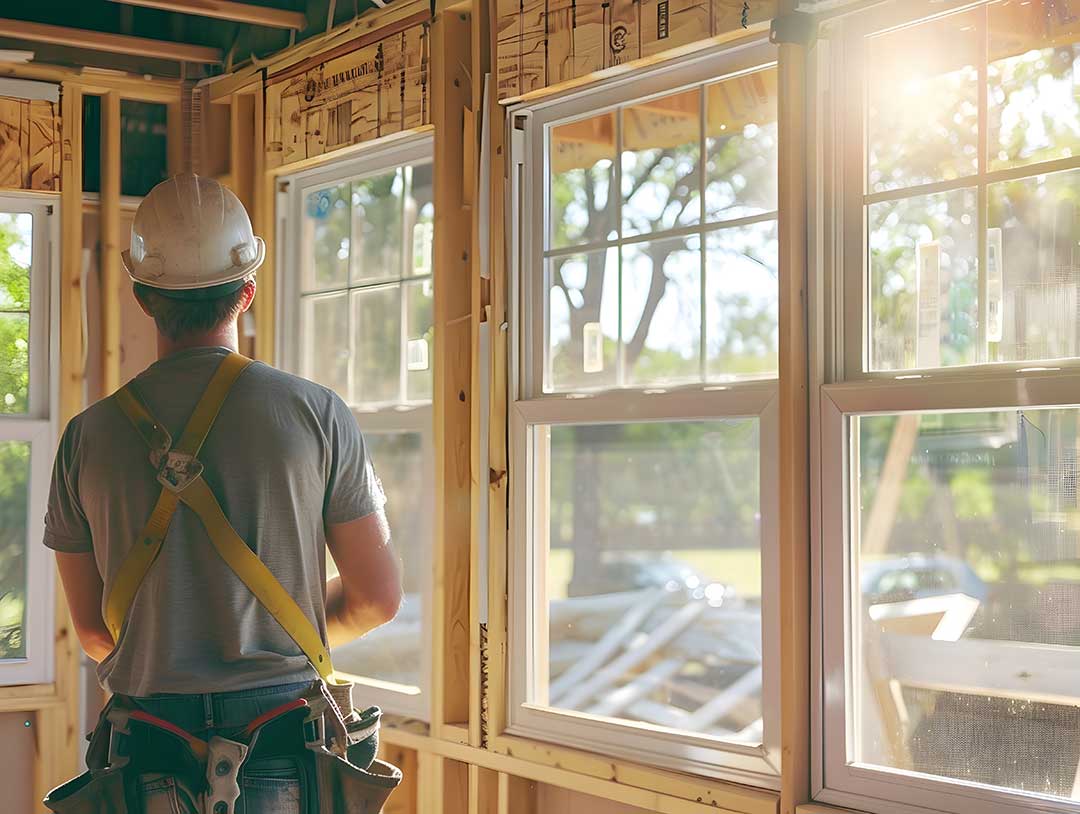
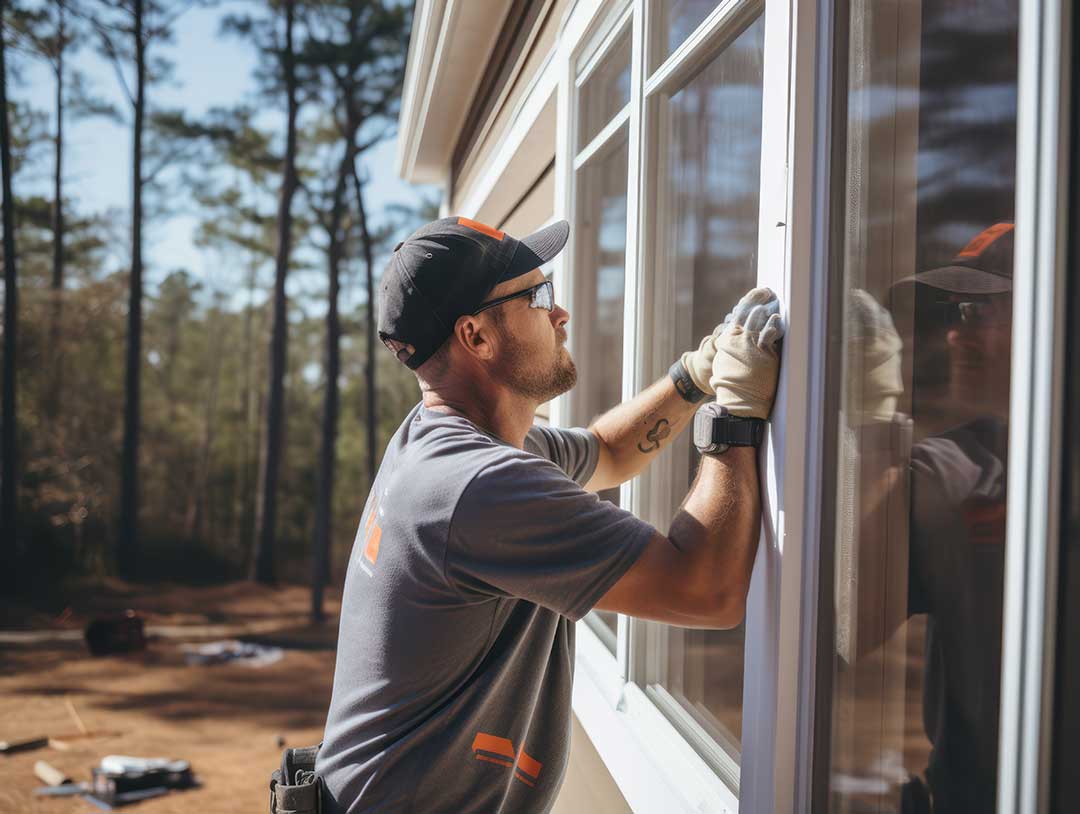
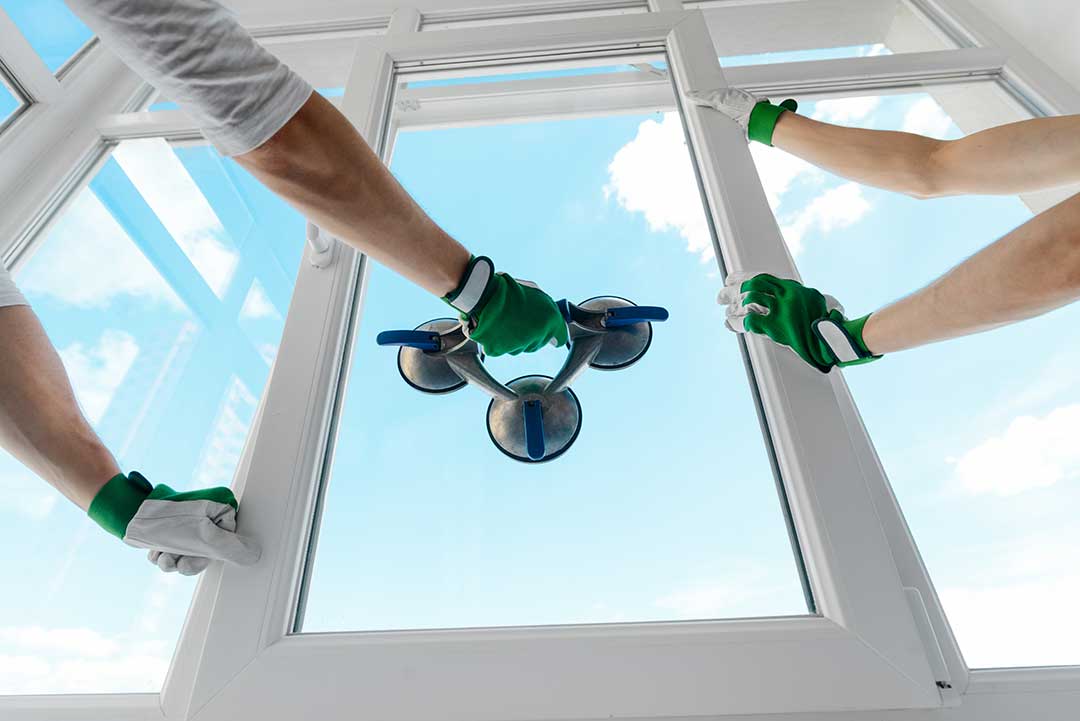
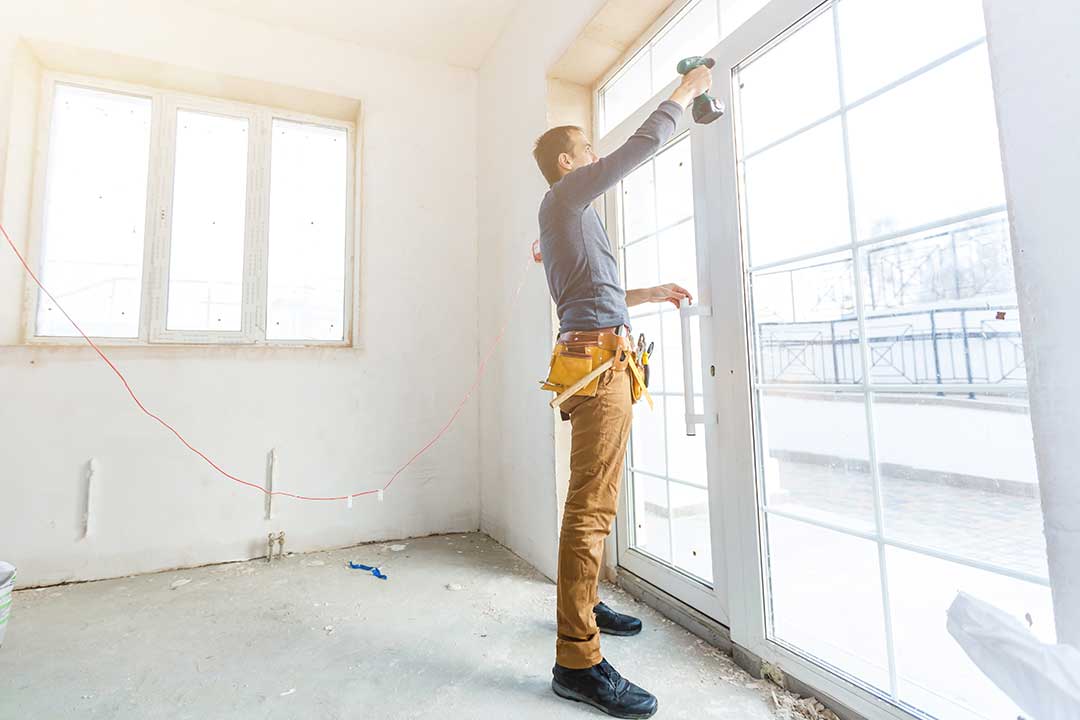
Replacing windows with Low-E glass usually requires professional installation and may involve temporary noise, dust, and movement of furniture near windows. Once installed, maintenance is largely unchanged from regular glass—gentle cleaning with non-abrasive products will preserve clarity and performance. Residents will typically notice improved comfort and, over time, may see lower utility bills, especially during peak summer and winter months. Seasonal energy savings might not be dramatic each month, but cumulative benefits can make a meaningful difference in the long term.
Practical Tips for Maximizing Benefits
Local households can further enhance the impact of Low-E glass by pairing it with:
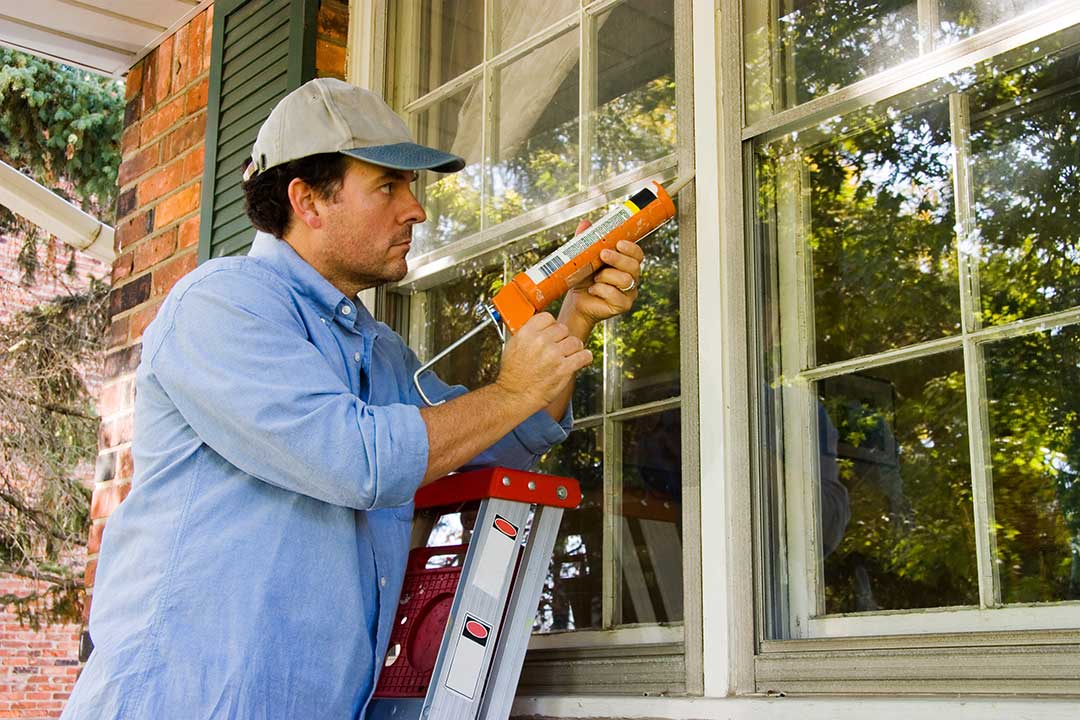
- Weatherstripping and caulking to eliminate window drafts
- Shades or curtains for added insulation overnight
- Home energy audits to identify other opportunities for efficiency
These steps, combined with Low-E technology, can help local families strike a good balance between comfort, light, and long-term energy savings without sacrificing their home’s character.