


Why Does Sealing Windows Matter for the Chattanooga, TN Climate?
Proper window sealing keeps conditioned indoor air from escaping and blocks outdoor elements, which is especially relevant in Chattanooga, TN where seasonal temperature swings and humidity can be significant. Local homeowners often notice drafty areas in older houses during winter cold snaps or steamy summer evenings—both signs that windows are letting air leak in and out. This can lead to higher utility bills and diminished comfort, especially in neighborhoods with older or original windows.
How to Identify Air Leaks Around Windows
Detecting air leaks is the necessary first step before starting any sealing project. A simple visual inspection may reveal gaps, deteriorating caulk, or daylight peeking through. However, many leaks are subtler.
Here's how residents typically spot problem areas:
- Feel for drafts on a windy day, especially along the sides and bottom of the window frame.
- Use a lit incense stick or thin piece of tissue and move it slowly around the window edges; watch for smoke or movement indicating airflow.
- Check for chipped, cracked, or missing caulk or weatherstripping. Even small cracks allow significant air passage.
- Inspect both the interior and exterior sides—gaps can occur in either place.
Windows in older Chattanooga homes, especially those with wooden frames or original single panes, tend to be more vulnerable to air leakage due to settling, wood shrinkage, or weather exposure.
What Materials Work Best for Sealing Window Air Leaks?
For most local homes, successful window sealing relies on using the right material for the specific gap or crack. The main products used are:
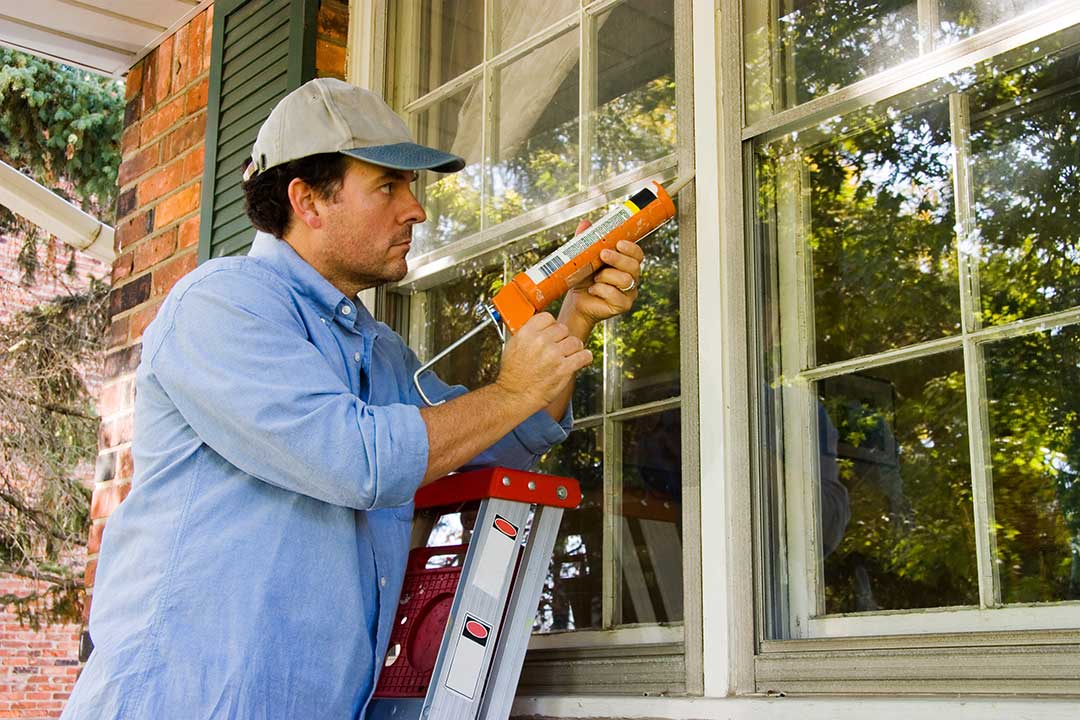
- Caulk — Good for sealing unmoving joints and gaps between stationary parts of the window frame and the house structure. Choose caulks labeled for exterior use when sealing outside joints; these resist rain and sunlight.
- Weatherstripping — Ideal for areas where window sashes move, like along the sides and bottom of windows that are opened and closed. Flexible foam, rubber, or felt types are common.
- Low-expansion spray foam — Useful for larger gaps, especially those between the window frame and the surrounding wall, usually found behind exterior trim.
Residents should avoid high-expansion foam for window work, as it can warp or squeeze window frames. Be sure any sealing material is compatible with local weather conditions; for example, formulations that withstand heat, humidity, and potential UV exposure are best for the Chattanooga climate.
Step-by-Step Overview: How Do You Properly Seal a Window?
Here's a straightforward approach that works for most typical Chattanooga residences:
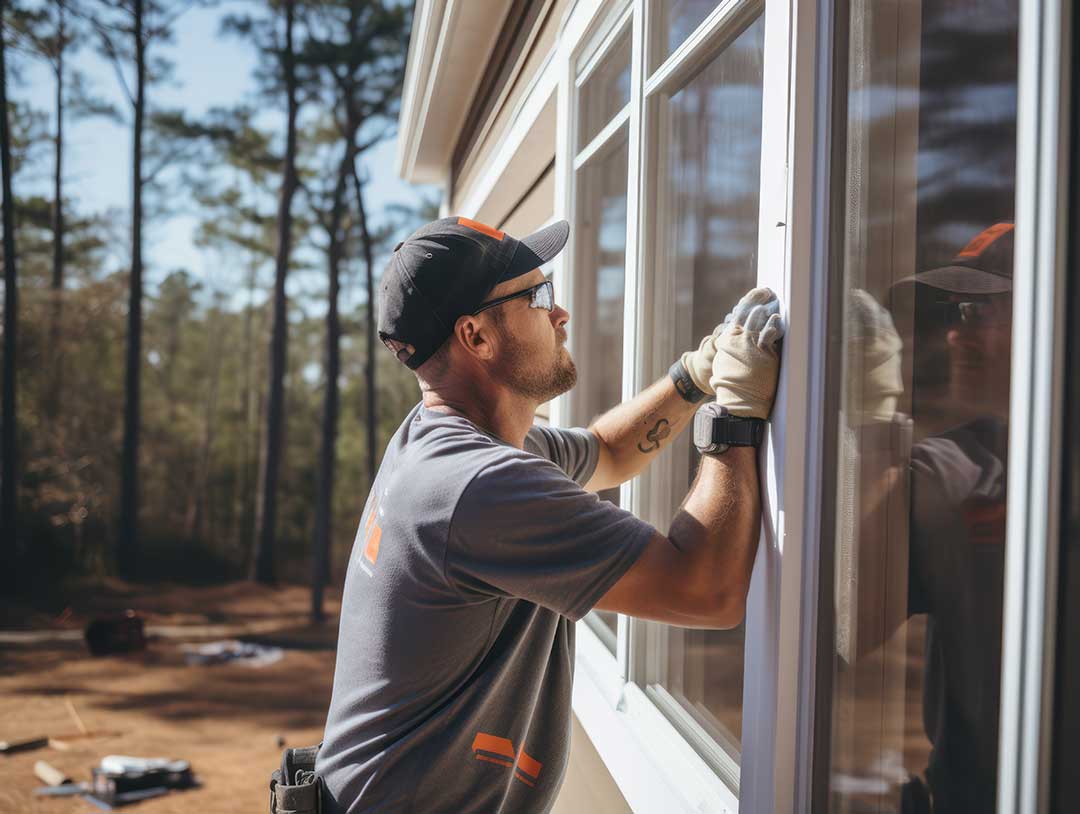
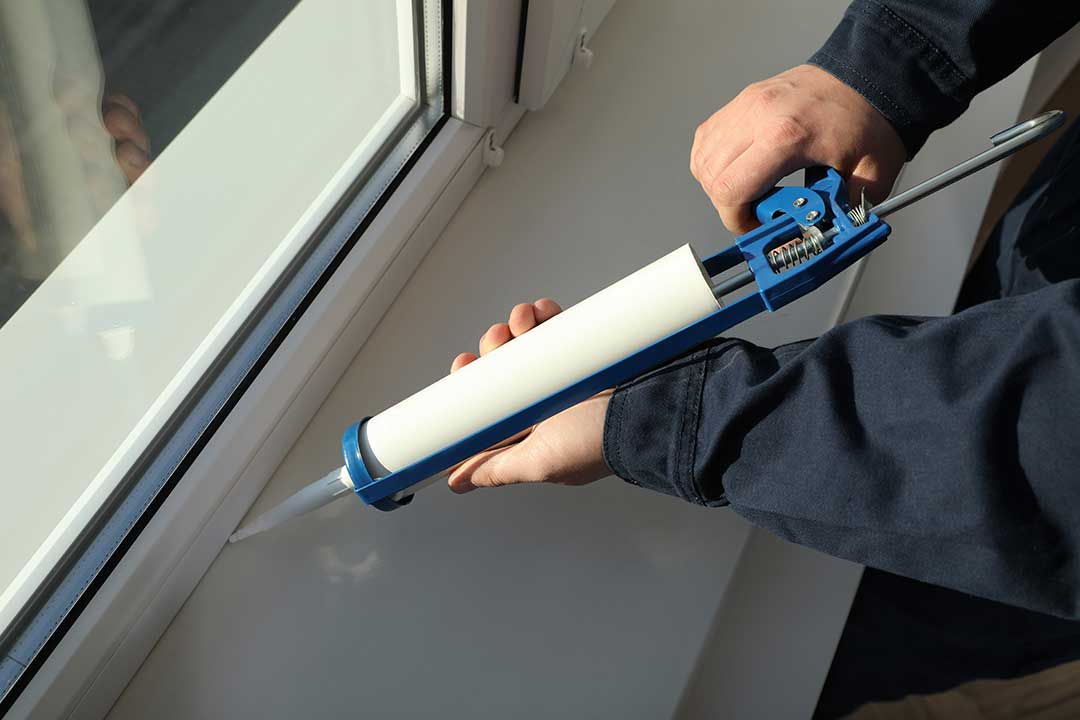
1. Clean the surfaces: Old paint flakes, dust, or crumbling caulk will interfere with adhesion. Scrape away debris and clean the area with soap and water; let it dry fully. 2. Remove old caulk or weatherstripping as needed: Rigid old caulk can be cut away with a utility knife. Remove damaged weatherstripping on operable windows. 3. Apply new caulk for fixed gaps: Use a caulk gun to carefully run a bead along edges where the window frame meets siding or between non-movable parts. Smooth with a damp finger or caulk tool. 4. Install weatherstripping on moveable sashes: Cut weatherstripping to fit and press firmly in place along the meeting rails, sides, or wherever movement occurs. 5. Address larger gaps with spray foam: For significant gaps, insert low-expansion foam behind window trim. Wait for it to cure, then trim excess before replacing trim. 6. Let everything cure/dry according to package instructions: Most caulks and foams need at least 24 hours for full curing before exposure to moisture.
In all steps, follow safety guidelines—some sealants have strong odors or may irritate skin, so adequate ventilation and gloves are wise.
What Are the Most Common Mistakes to Avoid When Sealing Windows?
Even handy residents can make sealing mistakes that let problems persist or recur:
- Sealing over dust, moisture, or old caulk: This creates weak points that separate and fail quickly, letting air leaks return.
- Using too much expanding foam: Overapplication can bow out window frames, potentially affecting operation.
- Skipping exterior inspection: Sealing only inside misses many leaks that begin on the outside, especially where trim or siding meets the window.
- Blocking window drainage holes: Beware of accidentally sealing weep holes, which are needed to let condensation and rain escape.
Some homeowners in Chattanooga also overlook window flashing or structural shifts in historic homes, where air leaks may signal foundation settling or water infiltration. If there are signs of rot, water damage, or window movement, more extensive repairs may be needed before sealing.
How Often Should You Inspect and Reseal Windows in Chattanooga?
Due to local humidity, sun exposure, and spring storms, seals can degrade faster than in drier climates. Most residents benefit from checking window seals at least once a year. Late summer or early fall is ideal, allowing time to address any problems before cold weather arrives. Frequent storms or visible changes—like separating caulk lines—warrant more immediate attention. Neighborhoods with mature trees or heavy foliage should monitor more closely, as falling debris and moisture can speed up sealant breakdown around window exteriors.
Are There Specific Considerations for Local Home Types or Building Codes?
Chattanooga has a mix of historic homes, mid-century bungalows, and new construction. Each may require slightly different sealing approaches:
- Older homes with wood siding and sashes often need softer, paintable caulk and flexible weatherstripping. Preserving original window character may matter in historic conservation districts.
- Brick houses may have wider gaps between window frames and masonry, suitable for backer rod plus caulk.
- Vinyl or aluminum windows in newer buildings typically have built-in weather barriers but can still develop leaks around frame-to-wall joints.
Residents planning extensive work on windows, particularly in historic districts, should review local property regulations. Certain zones restrict external modifications or require appearance-matching materials. When in doubt about structural or code issues, research neighborhood guidelines or consult city resources.