


What Happens During a Window Replacement Project?
A window replacement in Chattanooga, TN is a coordinated process that involves careful preparation, installation, and finishing by trained professionals. Whether you’re replacing one window or planning a comprehensive upgrade for your home, the experience can seem daunting if you haven’t been through it before.
Most area households find that the project follows a predictable sequence, though details can vary based on home age, window type, weather, and contractor scheduling.
How Should Residents Prepare Their Home?
Residents are generally responsible for preparing the immediate work area around their windows. This helps installers work efficiently and protects your belongings.
Start by removing curtains, blinds, and any wall décor near the windows. Move furniture back by a few feet to create a clear, safe path for workers. In older homes, especially those in historic districts of Chattanooga, some window frames may be larger and removal space might be tight, so giving extra clearance is useful.
If you have security sensors or window alarms installed, these will likely need to be disconnected or deactivated temporarily. Place covers over nearby furniture or flooring to protect against dust.
What Disruptions Should Be Expected?
A typical window replacement does create some temporary disruption, though most jobs are completed in one to three days depending on the number of windows.
Expect:
- Interior and exterior access to affected rooms
- Some noise from removal and installation, especially in homes with older wood or metal windows
- Minor dust and debris; reputable crews use drop cloths and vacuum up after themselves, but some dust migration is normal
- Drafts while windows are out—this is usually brief, but timing projects in mild weather is popular in Chattanooga for this reason
For homes with pets or young children, consider making arrangements to keep them safely away from work areas.
What Is the Typical Sequence of Steps?
Most residential window projects in the city proceed through these basic phases:
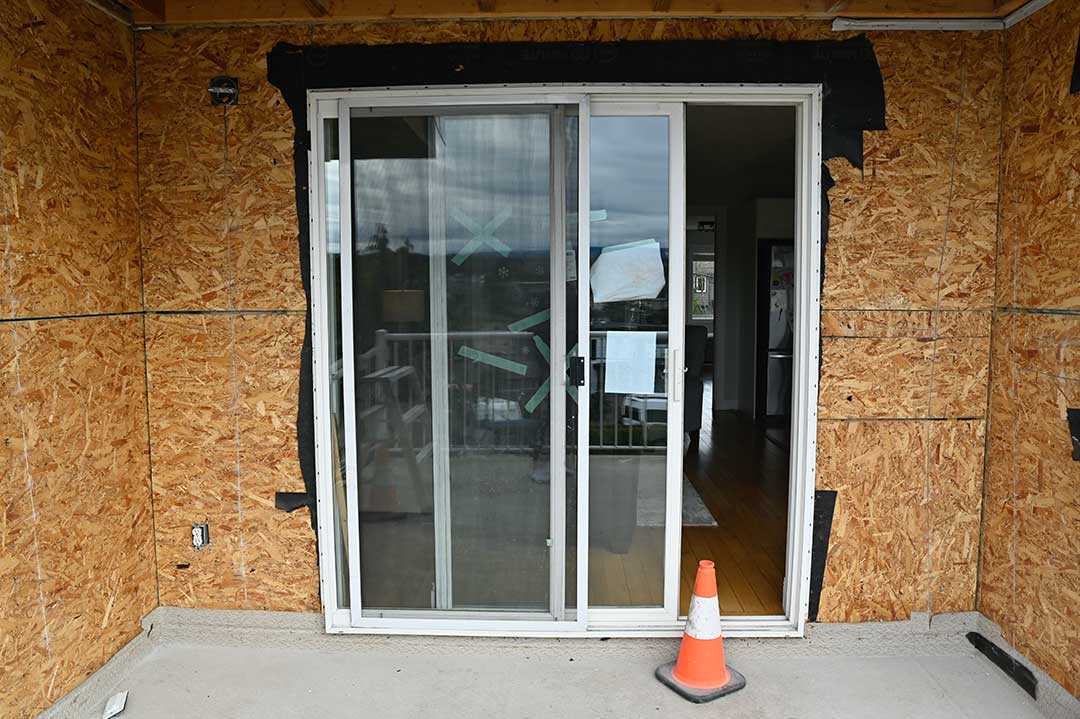
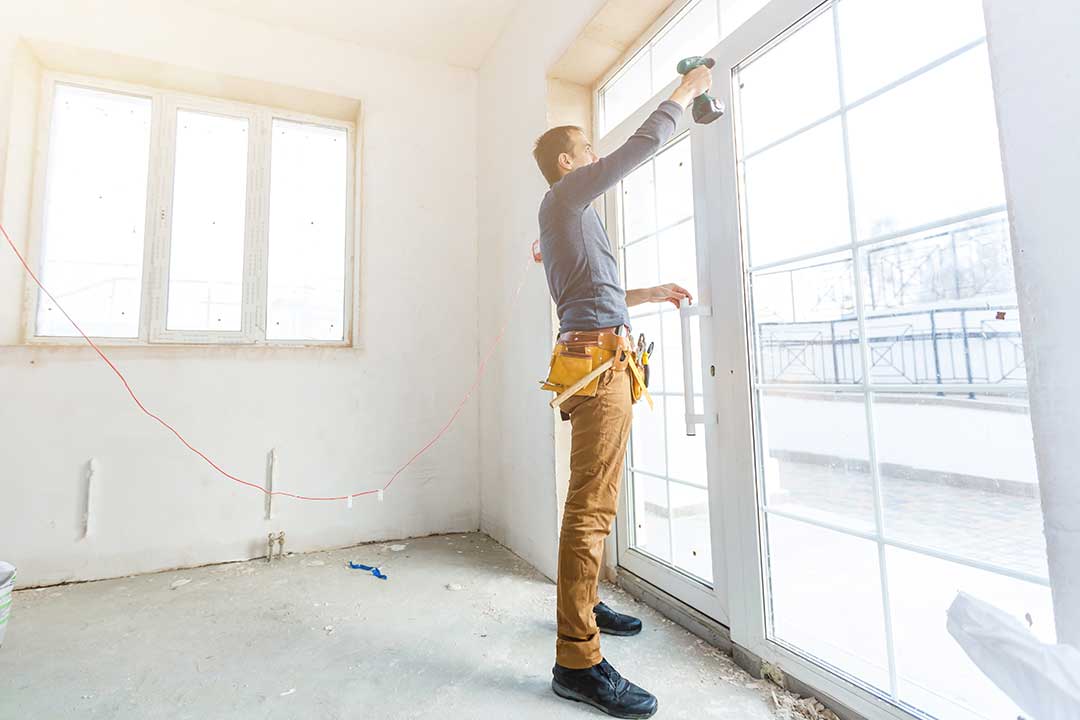
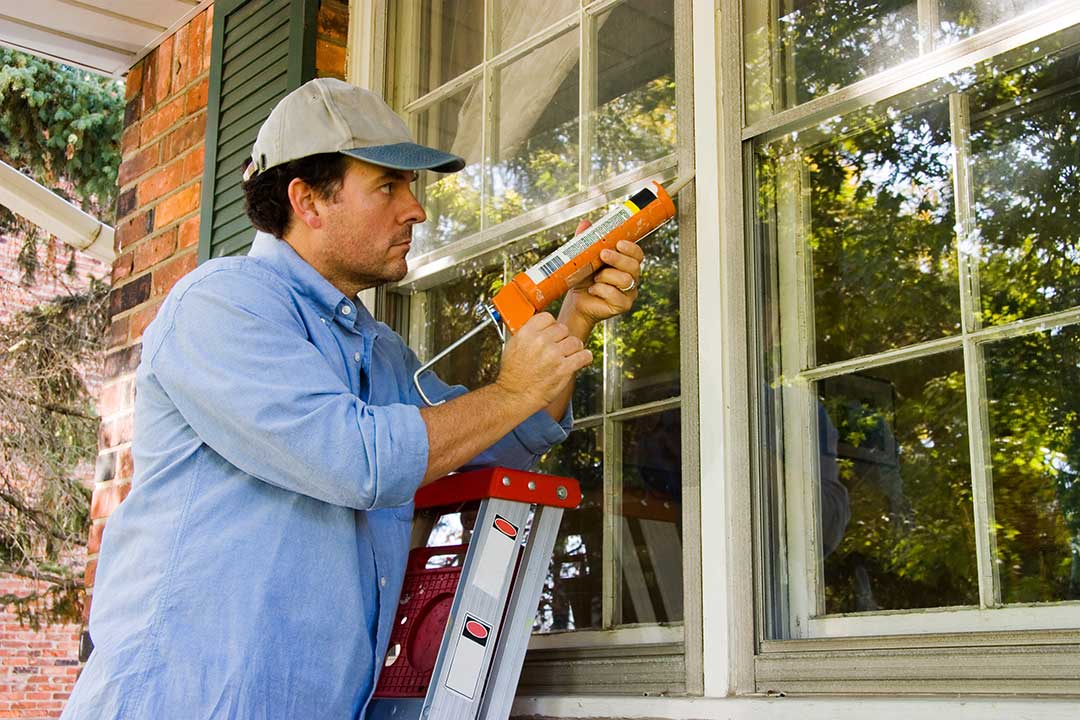
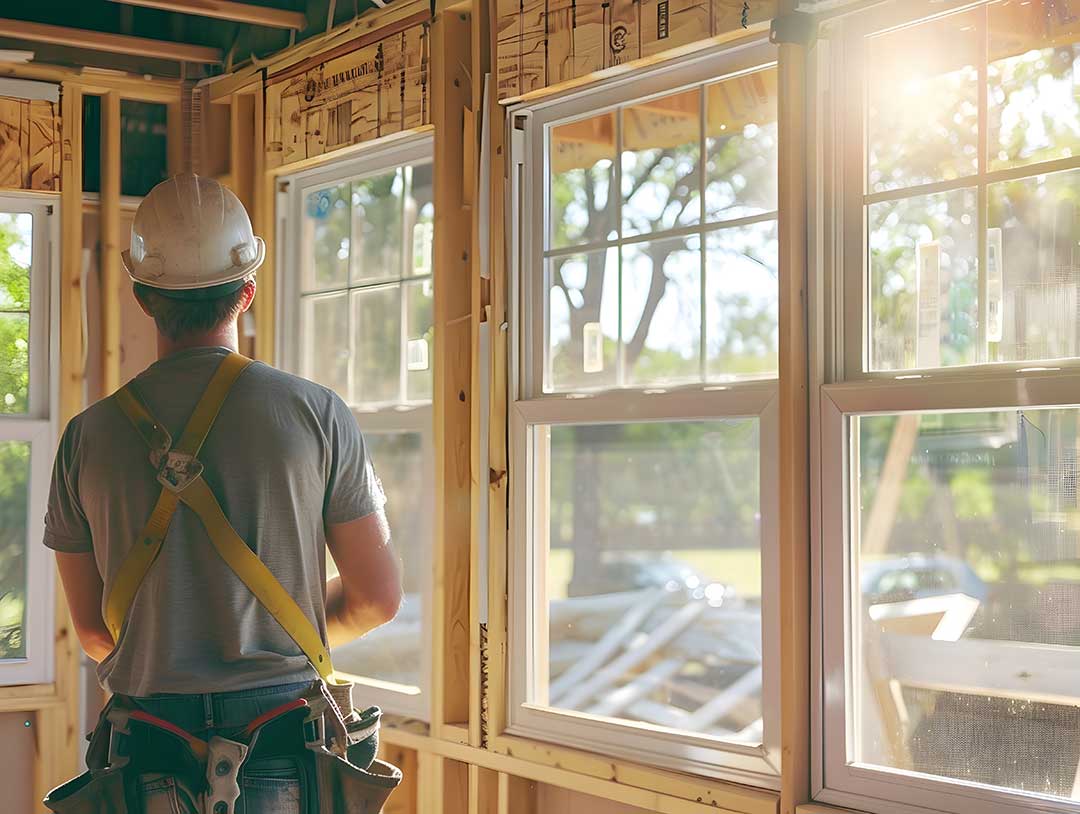
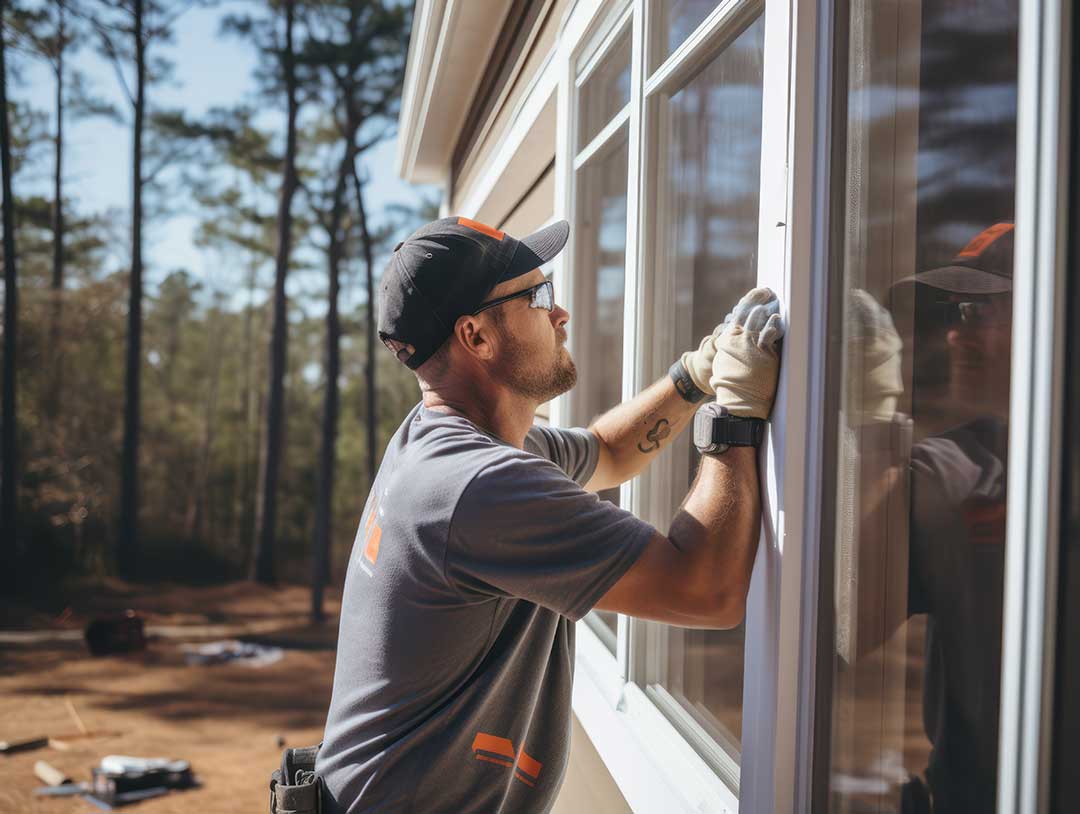
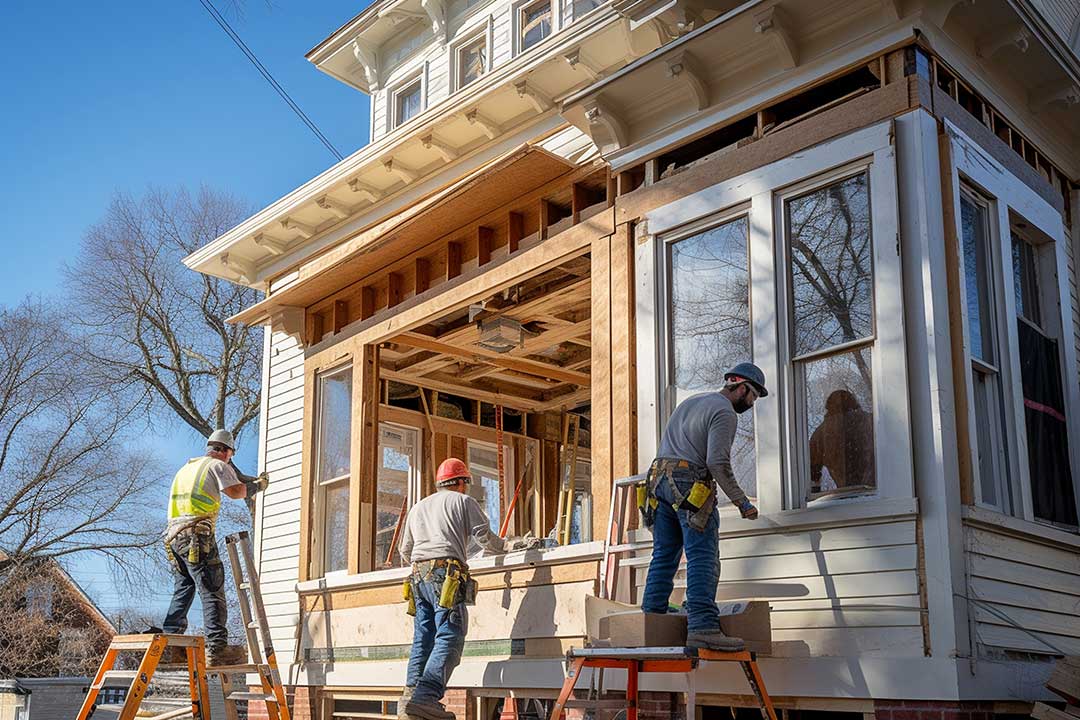
1. Arrival and Setup: The crew confirms the plan, covers flooring, and sets up tools. 2. Old Window Removal: Existing sashes and frames are carefully extracted to avoid damaging walls or trim. For brick or siding exteriors, careful cutting or prying preserves exterior finishes. 3. Preparation of Opening: Installers inspect and repair framing or sill if rot, water damage, or termites are found. In older neighborhoods where wood decay is common, this step may take extra time. 4. New Window Installation: The replacement unit is fitted, insulated, shimmed, and secured. Installers check for level and squareness. 5. Sealing and Weatherproofing: Gaps are filled with expanding foam or backer rod to minimize drafts. High-quality sealants are used around the exterior perimeter. 6. Finishing Touches: Trim, locks, and hardware are installed or reattached. The crew ensures smooth window operation. 7. Site Cleanup: Work areas are vacuumed and all debris is removed.
Are Permits or Inspections Required in Chattanooga?
Most straightforward replacement projects for standard-sized, similar-style windows do not require building permits in Chattanooga, unless the project changes the home’s structural opening or involves work in a historic or regulated district.
However, if your home is in a recognized historic neighborhood or if the window replacement changes appearance (such as resizing or switching from wood to vinyl in a visible area), city review or permits may apply. Area residents can confirm with local building codes or neighborhood associations before starting a project.
What Weather and Environmental Risks Affect the Timeline?
Local weather patterns do impact window replacement schedules in Chattanooga, especially during peak pollen season, summer storms, or brief freezing spells.
Many homeowners opt for spring or early fall installations, when temperature swings and humidity are moderate. Summer thunderstorms can cause delays, as installers need dry openings during installation to prevent water intrusion. Don’t be surprised if start times are adjusted around rain or high winds.
Homes located along wooded ridges, creek banks, or in flood-prone zones may face extra inspection of window sills and wall structure for moisture or insect damage.
How Is Old Window Disposal Handled?
Most window replacement projects include the removal and disposal of old units. Area contractors typically haul away debris for recycling or safe disposal, following local waste guidelines.
Some Chattanooga residents choose to keep old wood sashes or glass for restoration projects or reuse. If that’s your plan, mention it in advance to crew members so they can preserve pieces during removal.

What Problems Are Common During Window Replacement?
In Chattanooga homes—especially those built before the 1980s—several challenges may arise:
- Rotten or damaged framing: Occasionally, hidden rot, termite activity, or settling issues are found once old windows come out.
- Brick or stone exteriors: Original masonry may chip, leaving slightly uneven or ‘character’ fits that may need small patching.
- Uneven wall thickness: Older homes and additions may have nonstandard wall construction, requiring shims or custom flashing.
While crews usually anticipate these, some issues lead to modest cost or time adjustments. Open communication and flexibility with scheduling help manage these surprises.
Can Windows Be Replaced From Inside or Outside?
Most window replacements in the city are done from the inside, making them viable throughout all seasons. In some multistory homes or with certain window types, partial outside access via ladders or scaffolding may be needed. Good crews protect landscaping and minimize yard impact when possible.
Will the Window Opening Size Change?
A common misconception among area homeowners is that window replacements always require cutting larger holes or disturbing wall finishes. In reality, most residential installations are “pocket replacements”—the new window fits within the existing frame, requiring no major changes. Full-frame replacements, however, mean the entire window unit and interior/exterior trim are replaced; these are common in cases of significant rot or remodeling.
Final Walkthrough and What To Check
Before considering the job complete, residents should expect a brief walkthrough with the crew leader. This is the time to check for:
- Smooth window operation and lock alignment
- Neat caulking and trim detail, inside and out
- Cleanliness of the work area
- Retained security sensors or replaced screens (if applicable)
It’s helpful to open and close each new window, check for drafts on a windy day, and ensure any concerns are noted right away. Most crews review window operation and maintenance basics before leaving.