



What Makes a Window Energy-Efficient?
Energy-efficient windows are built to reduce heat gain in the summer and heat loss during winter. For Chattanooga, TN, which experiences hot, humid summers and cool winters, window performance plays a vital role in maintaining a comfortable home environment and reducing energy use.
These windows typically feature:
- Double or triple panes with insulating spacers between the glass sheets
- Low-emissivity (Low-E) coatings that reflect infrared light, keeping heat inside in the winter and outside in the summer
- Improved frame materials that minimize thermal transfer
- Gas fills (like argon or krypton) between panes for enhanced insulation
How Do Energy-Efficient Windows Affect Utility Bills?
Better insulation means less reliance on heating and cooling systems. For area households, this translates directly into lower monthly energy expenses, especially during the city's peak weather periods — summer heat waves and winter cold snaps.
Here’s how the savings work:
- In summer, less cool air escapes, so your air conditioner doesn’t have to work as hard or run as long.
- In winter, heat stays inside rather than leaking out, reducing the burden on your furnace or heat pump.
Local electric rates, the age and type of home's HVAC systems, and window exposure all impact how much you could save, but many homeowners in the city see modest to noticeable reductions in energy costs after upgrading.
What Properties Should Residents Look For?
The key performance label is the NFRC rating, which provides standardized details about a window’s thermal and solar characteristics. For homes in Chattanooga, these numbers are especially relevant:
- U-Factor: Lower values mean better insulation (look for U-factors of 0.30 or less)
- Solar Heat Gain Coefficient (SHGC): Lower numbers keep out more unwanted summer heat (values around 0.25 to 0.40 suit the local climate)
South- and west-facing windows receive the strongest sun; using models with the right SHGC prevents overheating during the warmest months.
Does Replacement Always Make Sense?
Not every home in Chattanooga requires new windows to notice an improvement. Window replacement is most cost-effective if your existing windows are:
- Single-pane
- Showing signs of air leaks or rotted frames
- Lacking in weatherstripping or proper seals
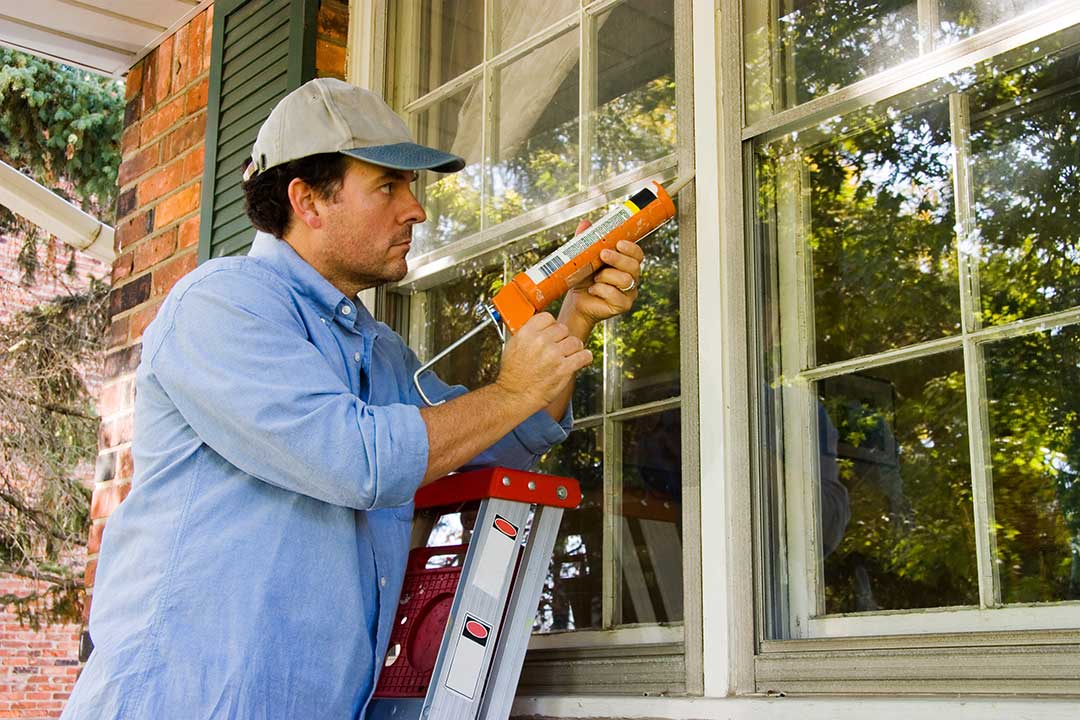
Some residents can benefit from adding storm windows, caulking, or applying heat-reflective films to older but otherwise solid units. However, single-pane and poorly insulated windows are often a main culprit behind high heating and cooling bills.
What Results Can Local Homes Expect?
Chattanooga homeowners with poorly performing windows might see annual energy savings of 10-20% or more after upgrading, depending on home size, orientation, and HVAC efficiency. For a typical area household, that could mean several hundred dollars saved each year.
Performance is especially noticeable during:
- July and August, when air conditioning use spikes
- December through February, when heating demand rises
Savings are not always dramatic month-to-month, but over several years, reduced energy usage can add up significantly.
What About Noise and Comfort?
Energy-efficient models don’t just lower bills; they can also make homes noticeably quieter and more comfortable during outdoor temperature swings. Improved insulation helps:
- Reduce street and traffic noise (especially useful in denser parts of the city)
- Eliminate cold drafts near windows in winter
- Minimize overheating near sun-exposed windows in summer
A more consistent indoor temperature also means less “hot” or “cold” spots in rooms with lots of glass.
Are There Overlooked Factors or Common Misconceptions?
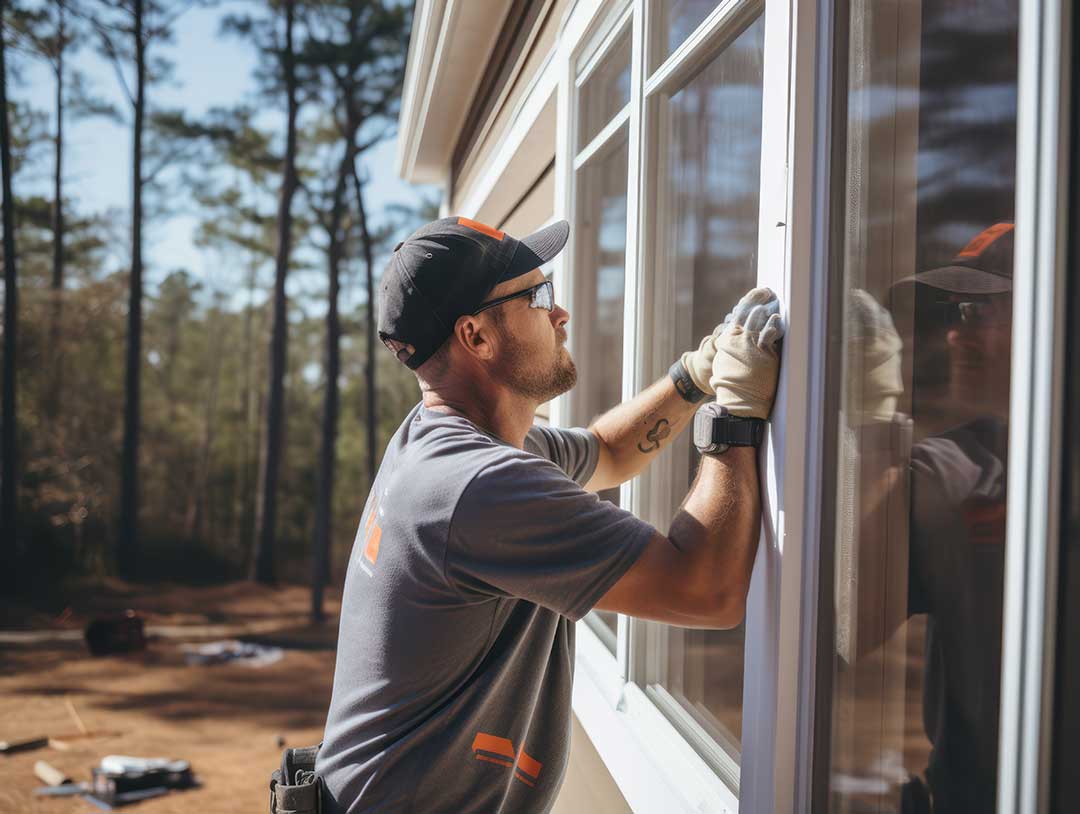
A frequent misconception is that all energy savings come from the window itself. The real benefit is maximized when combined with good sealing around the window openings, attic and wall insulation, and efficient HVAC use. Another overlooked factor is installation: Even the most advanced window will underperform if it’s not installed properly. Gaps and poor sealing undermine the potential energy savings. Some residents believe window films alone can match new window performance. While films may help in specific situations, they typically don’t offer the same insulated value or longevity as a full window designed for efficiency.
Are Incentives or Local Programs Available?
Chattanooga residents occasionally have access to utility or government incentives to improve home energy efficiency. These may include rebates for ENERGY STAR® certified products, tax credits, or home energy audit programs. It’s worthwhile to check for updates from local utilities or municipal agencies, as available programs and incentives can change year to year.
Practical Example: How Annual Savings Add Up
Suppose an area home spends $2,000 per year on heating and cooling. Upgrading to energy-efficient models leads to a 15% reduction in related energy use:
- $2,000 x 0.15 = $300 annual savings
Over ten years, this results in $3,000 of utility bill reductions, not accounting for rising energy costs or additional comfort benefits.