


When it comes to making your Chattanooga, TN home more energy-efficient, choosing the right window materials is one of the most important decisions. Not only do energy-efficient windows help manage indoor temperatures year-round, but they can also lower energy bills and enhance your comfort—important factors given our city’s hot, humid summers and chilly, wet winters.
Let’s break down the best window materials for energy efficiency, explore why they matter for folks living in the Tennessee Valley, and help you make an informed choice for your Chattanooga home.
Why Window Material Matters for Energy Efficiency
The material your window frame is made from plays a big role in how well your windows can insulate your home. Different materials have unique properties affecting heat transfer, durability, and maintenance needs.
In Chattanooga, where seasonal temperature swings can be significant, a well-insulated window can prevent hot air from seeping in during July and keep warmth inside during those frosty January nights. That means more comfortable living and significant energy savings.
Top Window Materials for Energy Efficiency
*Vinyl Windows*
Vinyl window frames are among the most popular choices for energy-conscious homeowners.
Pros:
- Excellent insulation properties due to the composition of polyvinyl chloride (PVC)
- Resistant to moisture—a key advantage in humid Chattanooga summers
- Lower cost compared to wood and fiberglass
- Require minimal maintenance
Cons:
- Limited color options and may not suit all historical home styles
- Can warp or discolor under extreme conditions over many years
Energy Tip: Look for Energy Star-rated vinyl windows with multi-chambered frames for enhanced insulation.
*Fiberglass Windows*
Fiberglass is another top contender, especially for those seeking durability alongside efficiency.
Pros:
- Superior insulation, closely matching the performance of high-end wood windows
- Extremely durable and weather-resistant—perfect for Chattanooga’s variable climate
- Can be painted to match any décor
- Minimal expansion and contraction with temperature swings
Cons:
- Higher up-front cost than vinyl or aluminum
- Limited availability compared to vinyl
Energy Tip: Fiberglass frames filled with insulation further boost efficiency, making these windows ideal for maximum thermal performance.
*Wood Windows*
Wood windows have been a classic choice for centuries and for good reason.
Pros:
- Excellent natural insulator, preventing heat transfer
- Timeless aesthetic, perfect for historic and Craftsman homes in Chattanooga neighborhoods like Fort Wood or St. Elmo
- Can be custom-shaped and painted
Cons:
- Vulnerable to moisture, which can be an issue with Tennessee's high humidity and rainfall
- Requires regular maintenance (painting, sealing) to avoid rot, warping, or insect damage
Energy Tip: Opt for wood windows with an aluminum or vinyl-clad exterior for greater weather resistance without compromising the look.
*Aluminum Windows*
While aluminum windows are less energy-efficient than other options, their slim frame and strength make them worth mentioning.
Pros:
- Very strong and durable—can accommodate larger panes of glass for better views of Lookout Mountain or the Tennessee River
- Low maintenance
Cons:
- Conducts heat and cold, making them less efficient for insulation
- Susceptible to condensation
Energy Tip: If you choose aluminum for its aesthetics, ensure the frames have a “thermal break”—an insulating section within the frame to reduce heat transfer.
Energy-Efficient Glass Options
Choosing the right frame is just the beginning. The type of glass is equally crucial:
- Double or triple glazing: Insulated glass units with two or three panes and argon gas filling reduce heat transfer significantly.
- Low-E coatings: Reflects heat without sacrificing natural light—great for sunny Chattanooga afternoons.
- UV protection: Helps protect furniture and flooring from sun damage common in Tennessee’s long summer days.
Matching Window Materials to Chattanooga’s Climate and Lifestyle
Chattanooga’s location in a temperate climate zone means high summer humidity, mild temperatures much of the year, and occasional winter cold snaps. Energy-efficient windows offer better protection against these extremes, and the material you choose should align with local climate-related needs.
Residents who embrace an active outdoor lifestyle—kayaking, hiking, gardening—often prioritize easy-to-clean, durable windows. For those living in older neighborhoods with historic homes, wood or clad-wood windows may best preserve architectural integrity while still providing modern efficiency.
Cost vs. Long-Term Savings
It’s tempting to choose windows solely based on installation cost, but energy-efficient materials pay off over time. A well-insulated window can cut energy bills by 10-25%, depending on the home and usage. In Chattanooga, where utility costs can spike with summer air conditioning or winter heat, the investment quickly returns itself.
Key considerations beyond material:
- Installation quality: Even the most efficient window fails if not properly installed.
- Window orientation: South and west-facing windows need better thermal performance due to direct sun exposure.
- Local incentives: Chattanooga sometimes offers energy-efficiency rebates—check EPB or TVA for current programs.
Final Tips for Chattanooga Homeowners
When selecting window materials for energy efficiency:
- Always check for energy certifications (like Energy Star).
- Think about both frame and glass upgrades.
- Work with reputable, local window specialists familiar with Chattanooga’s climate and housing styles.
Investing in the best window material for your Chattanooga home can lead to lower bills, enhanced comfort, and even increase your home’s value—a win-win for every season.
About the Author
Window Installation Expert in Chattanooga
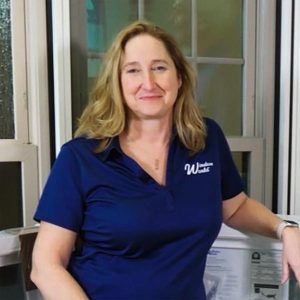
Kim Anderson is the Vice President of Window World of Chattanooga, a top-rated exterior remodeling firm serving the Chattanooga area with replacement windows, doors, siding and roofing. Her industry insight has been featured in local publications, where she advocated for full-window replacement as a smarter, long-lasting investment for homeowners rather than quick fixes.
With a strong focus on energy efficiency and customer-first service, Kim ensures every consultation leads to durable, high-quality solutions backed by the company’s lifetime limited warranty. Locally, she’s known for educating homeowners about materials that stand up to the region’s climate and helping them invest wisely in their homes’ comfort and long-term value.